Why Small Bay Industrial Space Remains Scarce in Lake Havasu City
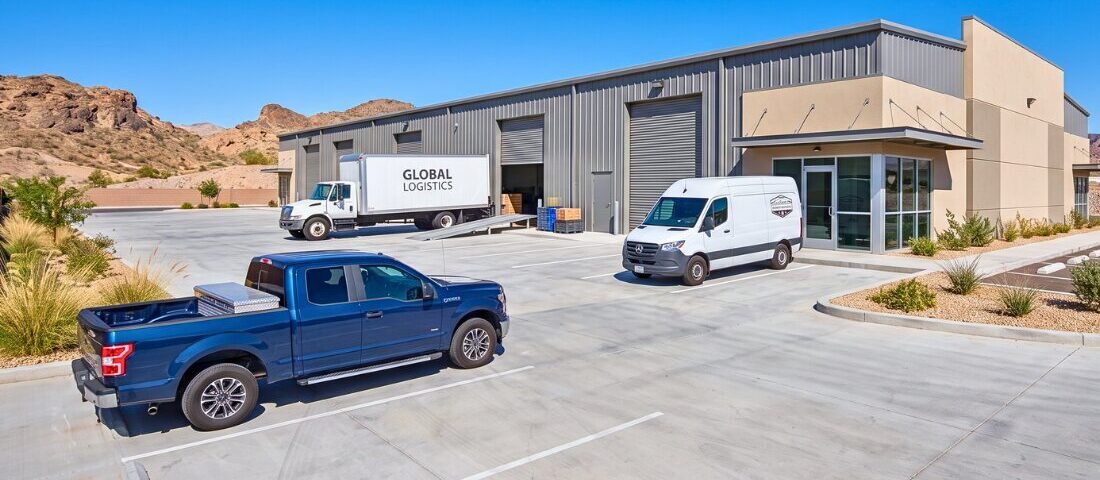
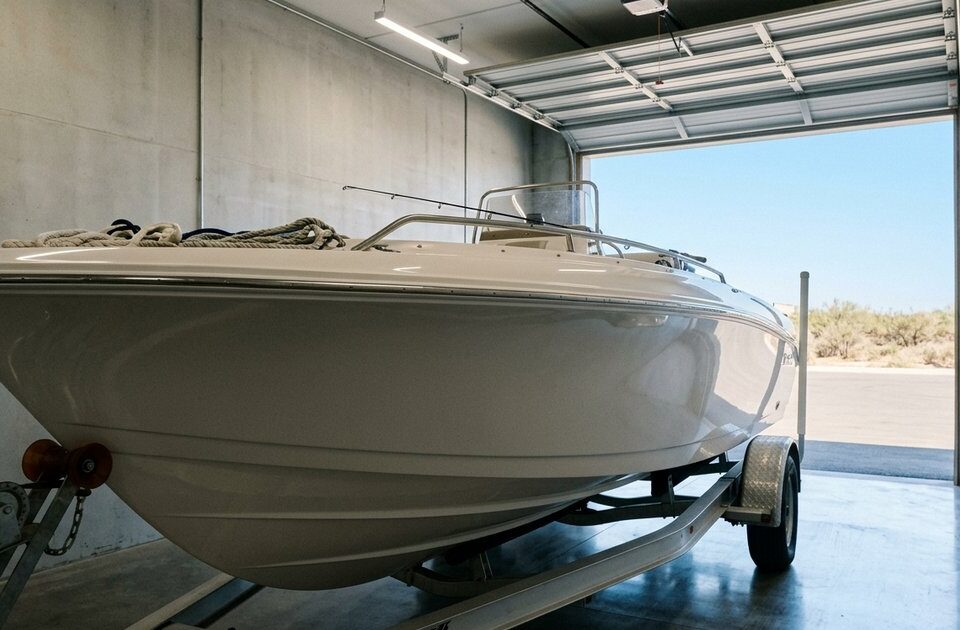
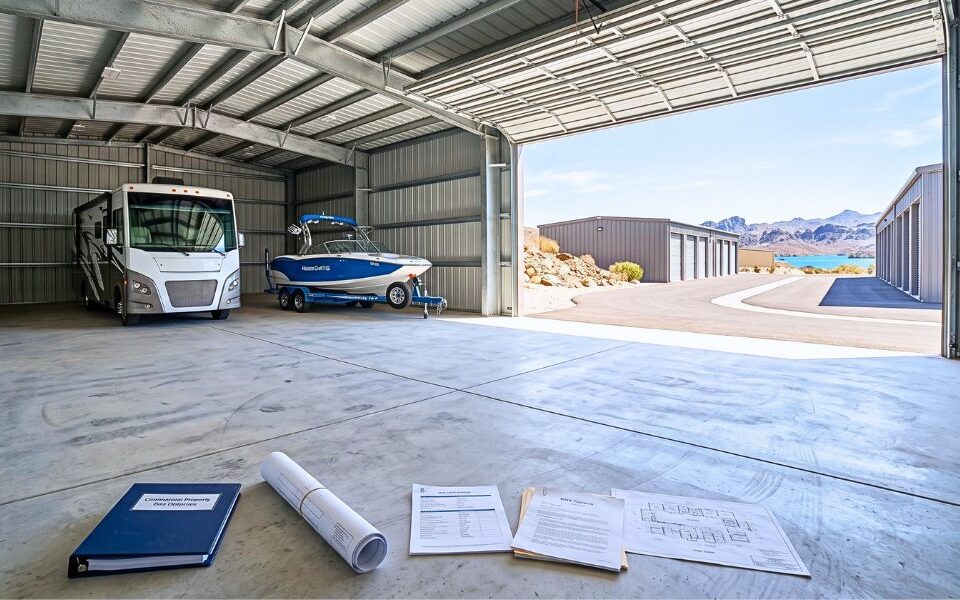
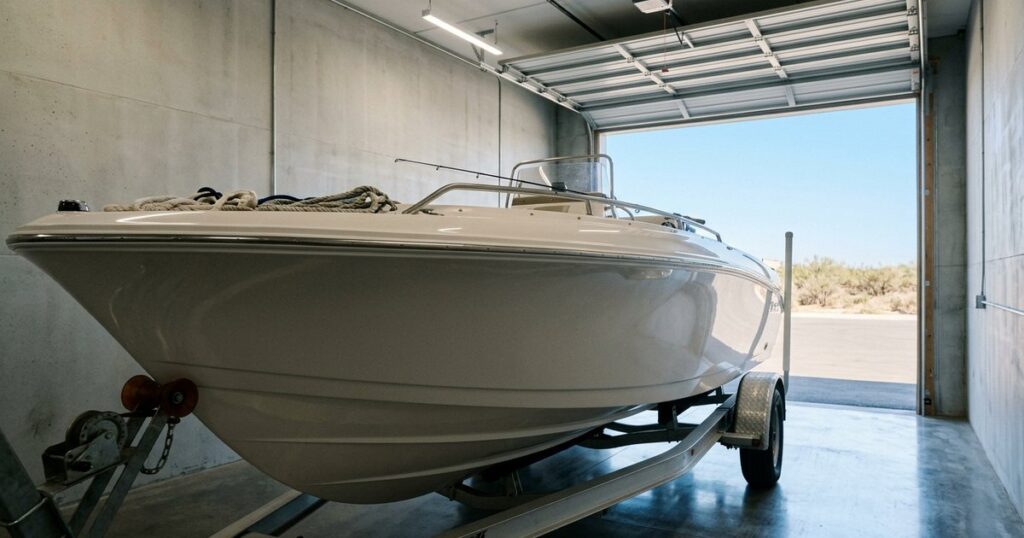
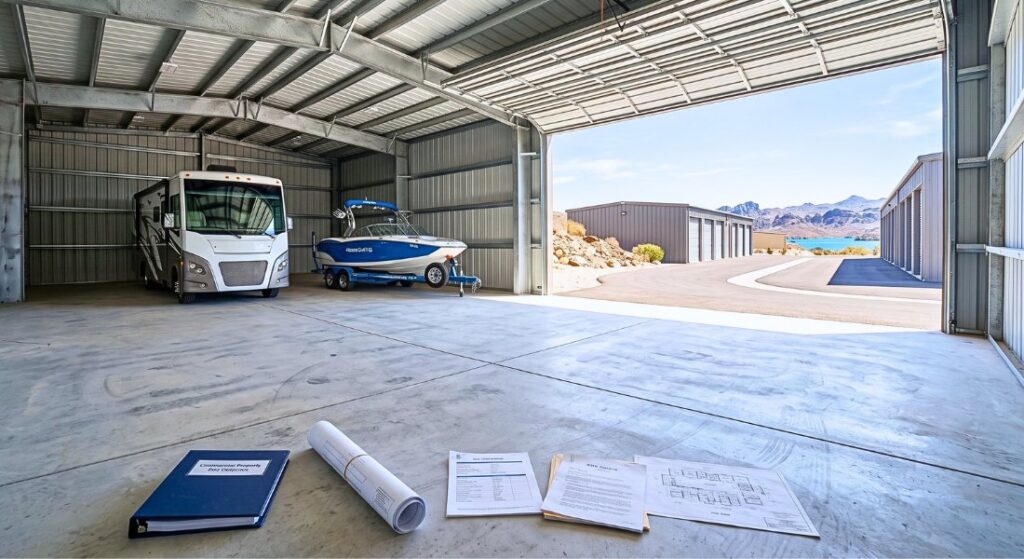
Small bay flex industrial space in Lake Havasu City is in short supply despite steady demand from local service businesses. Finding 900 to 2,500 square feet with a bay door, office, and functional workspace is harder than it appears. Most available units miss one or more of those requirements.
The shortage is not simply a matter of low inventory. Limited light industrial land has constrained new development, leaving tenants to compete for a small supply of practical, move-in ready spaces. As a result, well-configured units often lease quickly when priced appropriately.
Small bay flex industrial space in Lake Havasu City is structurally scarce because of limited light industrial land, not weak demand. Steady demand from service businesses keeps well-configured units leasing quickly at or near asking rates. Investors and tenants who understand these land constraints are better positioned than those relying on listing searches or outdated market reports.
Why Inventory Remains Limited
The supply picture is smaller than most people expect. A handful of existing flex projects and relatively few developments in the pipeline make up most of the market. A steady base of local service businesses competes for the same type of space. As a result, well-configured units rarely stay available for long. When a clean, well-located unit is priced appropriately, it often leases before it has time to sit on the market.
Price is what separates the units that move from the ones that linger. A well-positioned space at a fair rate leases quickly, while one priced too high can sit for months. It is easy to read those vacancies as a sign that demand has cooled, but that is not what is happening. In a market this tight, pricing and condition determine the outcome, not the strength of tenant demand.
The Businesses Driving Small Bay Flex Demand
The tenant profile explains why demand for small bay flex stays consistent despite broader economic uncertainty. Most tenants are not speculative businesses or startups betting on rapid expansion. They are plumbers, detail shops, boat repair operators, and small equipment service businesses. They are the kind of operators that Lake Havasu's year-round economy generates and depends on.
What they need is simple: a bay door and functional space. They are not underwriting a cap rate. They are shopping for available space that fits their operations.
That steady demand makes well-located small flex units attractive investments. It also shapes lease term expectations. Established operators often sign longer leases, while newer businesses may prefer one or two years. Some landlords prefer shorter initial lease terms after difficult tenant experiences. They accept the possibility that successful tenants may relocate when competing space becomes available.
Larger spaces in the 4,000 to 9,000 square foot range attract a different tenant profile. They are more likely to lease to established companies, regional operators, and businesses able to support a larger commitment. Those leases typically run three to five years with renewal options. The tradeoff is that larger vacancies usually take longer to fill when they become available.
This tenant split shapes how investors should evaluate small flex versus larger industrial properties. Each has a different leasing profile and risk profile, even though many of the same lease considerations apply across bay sizes.
The Land Math Behind New Small Bay Development
On paper, building new small-bay flex in Lake Havasu City looks straightforward. Demand is steady, quality space leases quickly, and the tenant base has remained stable for years. So why hasn't new supply kept pace? The answer is land.
Construction costs are relatively predictable, but the developer's land basis usually determines whether a project pencils.
Randy Shuffler has spent more than two decades underwriting industrial properties in Lake Havasu City and Kingman. He sees one constraint above all others.
"It all depends on what you get the land for. The development cost doesn't really change, the cost to build is usually the same. But the land scarcity is what is tough, because all of a sudden you want to try to find an acre of light industrial, and there's not that much left. So you have to pay for it, which is what makes it tough."
— Randy Shuffler, Founder and Commercial Real Estate Agent, Lake Havasu City Commercial at Realty ONE Group Mountain Desert
Available light industrial acreage is scarce. The city's industrial zoning and development requirements also influence where new projects can be built. When suitable parcels come to market, competition pushes land prices higher and narrows the margin between development costs and achievable rents. New projects generally reflect one of two scenarios. Either the developer secured the land at the right basis, or they are betting lease rates will rise enough to justify the price.
How those projects perform will help define where the market's development economics actually work. For investors evaluating new development or existing flex product, land basis is the deal.
Why Waiting Shrinks Your Options
A lease that expires within the next 12 months is not something to start searching against 60 days out. Inventory moves when it moves, and a compressed timeline creates exactly the wrong pressure. It pushes tenants toward overpaying on lease terms or settling for a location that does not serve the business.
The better play is to identify the space requirements now and learn the current rate range across Havasu's industrial corridors. Walk in with a clear picture of what the right unit costs before the clock starts.
Waiting too long creates exactly the wrong pressure. It pushes tenants toward overpaying or settling for a location that does not fit their business. Starting six to nine months before a lease expires gives tenants time to understand market rates and identify the right space. It also allows them to negotiate better from a position of strength instead of urgency
Not sure what small bay flex space is leasing for across Lake Havasu's industrial corridors? Start the conversation with Randy Shuffler at Lake Havasu City Commercial for a current market perspective before your search window begins to narrow.
How to Underwrite Small Bay Flex Investments
The scarcity story supports pricing, but only when measured against true net income and actual land and improvement basis, not headline cap rates. Underwriting small flex in Lake Havasu starts with three questions:
- What did the land cost?
- What does true net income look like after realistic vacancy and operating expenses?
- Does the market lease rate support the property's actual cost basis at a return that justifies the risk?
Those three questions separate deals that work from deals that only look attractive in a marketing flyer.
Investors who rely on third-party market reports from six months ago are underwriting a different market than the one that exists today. Current vacancy, lease rates, and land pricing require current local visibility. National aggregator data rarely captures what is happening on the ground in a supply-constrained market like Lake Havasu's industrial corridors.
Strong in-place rent can sometimes mask a weaker underlying deal. Understanding the lease structure, operating expenses, and land basis is just as important as evaluating the asking cap rate.
Lake Havasu Small Bay Flex Space FAQs
How tight is small bay industrial vacancy in Lake Havasu City right now?
Vacancy for quality small bay flex space in the 900 to 2,500 square foot range remains limited. Well-located units at market-appropriate rates often lease quickly without extended marketing periods. Units that sit vacant are usually affected by pricing or condition rather than weak demand. Limited light industrial land makes that dynamic unlikely to change anytime soon.
What lease terms should tenants expect for small bay flex space in Lake Havasu City?
One- to two-year initial terms are common for newer operators. Established businesses with consistent revenue can often negotiate longer leases. Some landlords prefer shorter initial lease terms after difficult tenant experiences. They accept some retention risk in exchange for greater flexibility if a tenancy is not a good fit.
Why isn't more small-bay flex space being built in Lake Havasu City?
Construction costs are relatively predictable, but land cost determines whether a project pencils. Available light industrial acreage is limited, and competition for suitable parcels pushes prices toward the ceiling that market rents can support. That development math is why new supply continues to lag demand.
What tenant types drive demand for small bay flex space in Havasu?
Service-based businesses, including plumbers, auto and boat repair shops, detail businesses, and small equipment service companies, lead demand. These tenants prioritize bay door access and functional workspace over amenities. Lake Havasu City's year-round economy creates consistent demand from this tenant base, helping stabilize occupancy in well-located small flex properties.
How does small bay flex compare to larger industrial as an investment in Lake Havasu City?
Small bay flex space typically leases faster and experiences more frequent turnover than larger industrial units. Spaces from 4,000 to 9,000 square feet typically attract established regional tenants on longer leases but can take longer to backfill. Neither property type is inherently better. The right choice depends on an investor's basis, risk tolerance, and management strategy.
What numbers matter most when underwriting small-bay industrial in Havasu?
Land basis comes first, followed by true net income after realistic vacancy, operating expenses, and management costs. Headline cap rates alone can be misleading. The key question is whether the market lease rate supports the property's actual cost basis at a return that justifies the risk. Understanding lease structure is just as important as evaluating the asking cap rate.
How much of Lake Havasu City's industrial supply shortage is a zoning issue versus a land availability issue?
Both factors play a role, but land availability is the primary constraint. Even where light industrial zoning exists, suitable parcels that are properly sized, utility-served, and economically viable for development are limited. Zoning alone does not create developable land when available acreage is already absorbed or priced above what market rents can support. The Lake Havasu City Zoning Maps provide a useful overview of the city's industrially zoned land.
How early should tenants start looking for small bay flex space in Lake Havasu City?
Tenants should begin their search six to nine months before their lease expires. Small bay flex inventory is limited, and well-located units often lease quickly. Starting early gives tenants time to compare locations, understand lease rates, and negotiate from a position of strength.
Act Before the Market Gets Tighter
Small-bay industrial space in Lake Havasu City is not getting any easier to find structurally. The supply of developable light industrial land remains limited, and new supply depends on developers securing the right land basis. Tenants who wait and investors who underwrite using outdated market data often pay the price.
Whether you need true net analysis, current lease rates, or market visibility, the value comes from current market insight. Reach out to Randy Shuffler at Lake Havasu City Commercial for current market insight beyond outdated aggregator data.
Randy Shuffler is the founder of Lake Havasu City Commercial and a commercial real estate agent at Realty ONE Group Mountain Desert. He holds the CCIM designation and a BS in Finance from San Diego State University. For more than two decades, he has underwritten commercial investment deals across Lake Havasu City, Kingman, and the broader Mohave County market.
ABOUT THE AUTHOR
Randy Shuffler | Founder & Commercial Real Estate Agent, Lake Havasu City Commercial | CCIM | 20+ years in real estate & finance | $5M+ in verified sales | 52,000+ sq ft transacted | BS Finance, San Diego State University | Realty ONE Group Mountain Desert