Durable Tenants Protect Returns in Smaller Markets
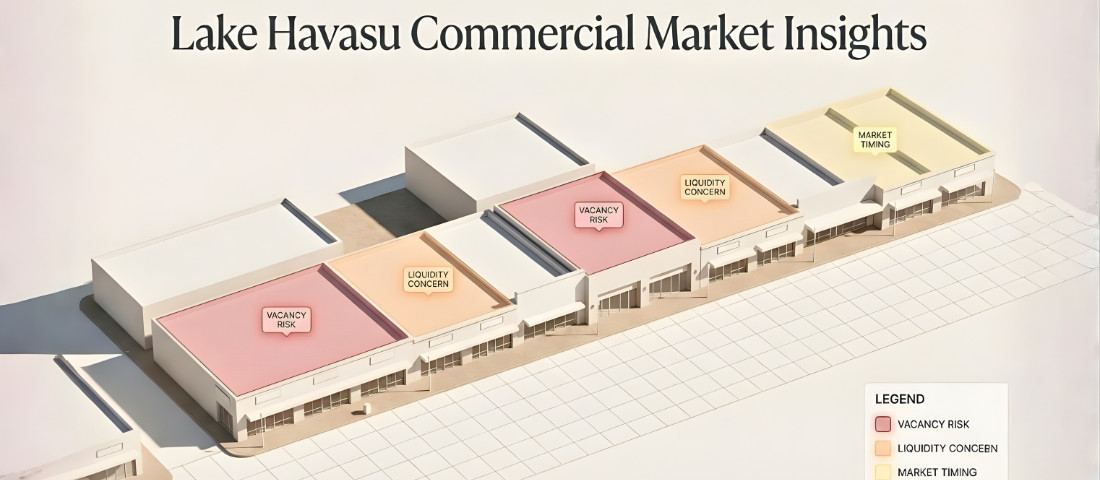
In small markets like Lake Havasu, tenant quality determines income reliability. Good credit helps, but durability decides whether income holds.
There’s a big difference between a tenant who looks strong on paper and a tenant who can survive a hiccup. When you operate in a small market, hiccups matter more. Inventory is tight, and tenant pools are thinner. If you lose one tenant, you won’t automatically replace them in 30 days.
That’s why we care less about a credit score and more about whether the tenant can weather a storm. Income stability in a small market starts with durability, not a credit report.
Why Durability Matters More Than Credit
I hear it all the time. Investors talk about how a tenant has great credit or how the lender approved them. Maybe they have a strong guarantor.
All of that matters. But it’s not enough.
Good credit helps. But what you really need is someone who shows actual accounts, is liquid, and has cash on hand. That indicates resilience.
Credit tells you how someone managed yesterday. Liquidity tells you how they survive tomorrow. And tomorrow is what you’re underwriting.
In a market like Lake Havasu, past discipline doesn’t pay. You get paid for future survival. When revenue dips, tourism slows, or a season underperforms, tenants with reserves endure. Tenants without reserves result in vacancy.
The Four Pillars of Tenant Durability
In a small commercial market, tenant durability comes down to four key factors:
- Liquidity: Do they have cash reserves? Can they cover 6-12 months of rent and operating expenses if revenue dips?
- Leverage: Are they stretched thin? Are they fully borrowed across multiple properties or equipment notes?
- Business Model Fit: Does their business fit this location? Or are they chasing unnecessary traffic?
- Experience: Have they done this before? Or are they launching with too much leverage and optimism?
When the market softens, fragile tenants don’t renegotiate. They disappear. In a thin tenant pool, that vacancy can linger.
Durability reduces downtime risk, and downtime is what kills true net income.
The Startup Risk Most Owners Miss
I recently reviewed a warehouse lease for a tenant launching a new boat mold operation. On paper, it looked exciting and entrepreneurial. They had a strong growth story. The rent penciled well relative to the purchase price.
But durability was unclear. The tenant was just starting and already leveraged. A small downturn could put the business at risk. That’s not pessimism. It’s small-market math.
Then reality sets in. Six months after closing, resin prices spike, a supplier misses deliveries, or a key contract delays payment. Cash tightens. The tenant stretches payables. Rent gets paid late once, then twice. By month nine, they shut the doors. Now you face vacancy, brokerage fees, tenant improvements, and months of carry.
In Phoenix, you might find a new tenant in 60 days. In Lake Havasu, it could take much longer. Meanwhile, taxes, insurance, maintenance, and debt service don’t pause.
Startups are not inherently bad tenants. Leveraged startups in a small market carry a higher risk. If you underwrite that lease as stable income without stress-testing durability, you’re not protecting the downside. Exciting stories don’t replace cash reserves.
Risks Hit Harder in Lake Havasu
In a major metro, you can replace a small operator quickly. The bench is deep, and downtime is minimal.
The tenant pool is thinner in Lake Havasu. Inventory is tight, and tenant demand is highly specialized. Lose a niche operator, and you may need to reposition the space, adjust rent, or offer concessions. Vacancy in a small market doesn’t just hurt. It lingers.
Carrying costs keep accruing:
- Property taxes
- Insurance
- Repairs and maintenance
- Debt service
If your deal only works at today’s rent with no vacancy margin, you’re exposed. The thinner the market, the more you must demand durability from the tenant.
Backing Into True Value
Before calling income stable, investors should look for clear evidence of tenant durability:
- Bank statements that show real liquidity
- Evidence of prior success in the same or similar business
- Realistic projections, not optimistic
- Rent that sits at a sustainable percentage of revenue
- A lease term aligned with the tenant’s capital obligations
A short lease paired with responsibility for major building systems creates a mismatch. The tenant can’t handle long-term costs. If they fail, you inherit postponed maintenance and the resulting downtime.
The Stress Test Every Tenant Needs
Before getting comfortable with strong in-place rent, investors should ask one simple question: If the market slows for 12 months, will this tenant survive?
If the answer is maybe, it signals a conversation about risk premiums. If the answer is no, the cap rate is not compensating enough for the risk.
Tenant durability beats tenant credit in small markets because replacement risk is real. Protect the downside first. Upside will take care of itself. Clarity now prevents surprises later.
Questions Investors Ask About Tenant Stability
Does good credit still matter?
Yes. Credit shows payment history and financial discipline and helps assess baseline risk. In a small market, it’s only the first filter. Liquidity and leverage often reveal more about a tenant’s ability to survive under stress.
How much liquidity should a tenant have?
There’s no single number, but we like to see the ability to cover 6-12 months of rent and operating expenses. This buffer protects both tenant and landlord. Thin reserves increase the likelihood of default during a slowdown.
Are startups always bad tenants?
No. Some startups are well-capitalized and run by experienced operators. Risk rises when a startup takes on leverage and depends on optimistic projections. We underwrite the cash, not the story.
Should I charge higher rent to offset risk?
Higher rent doesn’t fix weak durability. Stretching rent can make tenants more fragile. Sometimes, slightly lower, sustainable rent from a durable operator produces better long-term returns.
How does vacancy impact value in a small market?
Vacancy reduces true net income immediately. In a thin market, downtime can last longer, lowering value when backing into price with cap rates. One weak tenant can distort an entire return model.
What if the lease is personally guaranteed?
A guarantee helps, but it is only as strong as the guarantor’s liquidity and leverage. Reserves, outside obligations, and exposure still matter. Paper guarantees do not replace cash strength.
How do we quickly evaluate tenant durability?
We review financials, bank statements, business history, lease structure, and local fit. Then we stress-test revenue assumptions. If the tenant can survive a 12-month slowdown, we gain confidence in the income stream.
Strong CRE Investments Start with Durable Tenants
In Lake Havasu, every tenant matters. Durable tenants protect your downside and deliver real value far beyond credit scores. Shuffler Commercial Realty combines local market expertise with hands-on financial analysis to help investors see which tenants drive stable income.
Want to stress-test a lease or purchase? Contact us today and get a clear, no-nonsense read on tenant durability before you commit.