1031 Exchange Success Requires Pre-Positioning Before You Sell

When California investors lose their 1031 exchange, it is usually not the result of a single catastrophic mistake. In most cases, they start the search for a replacement property too late.
The 45-day identification window is not a discovery period. It is a commitment deadline. Successful investors secure the right replacement property by starting their search before the relinquished property hits the market.
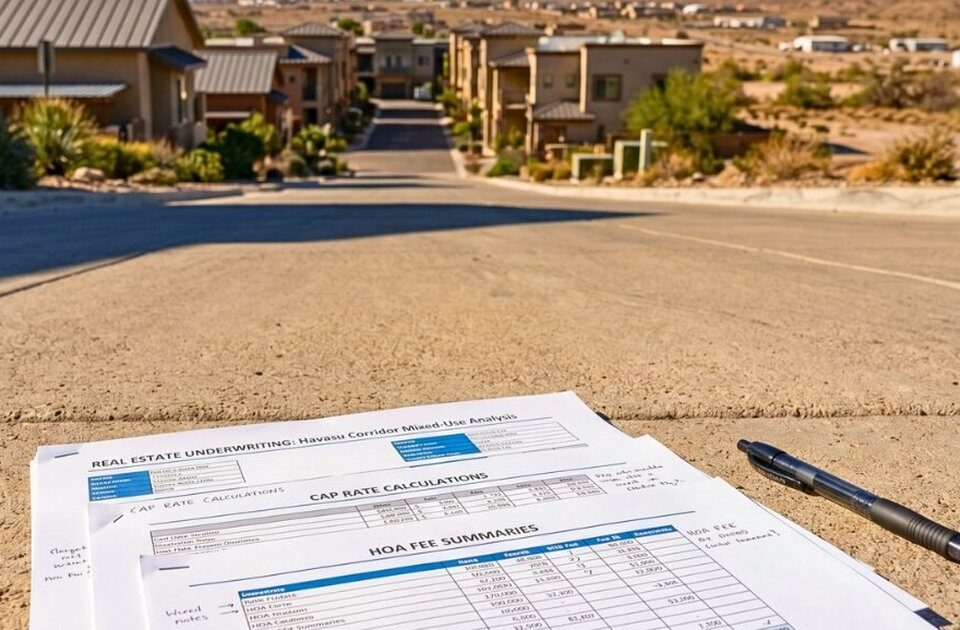
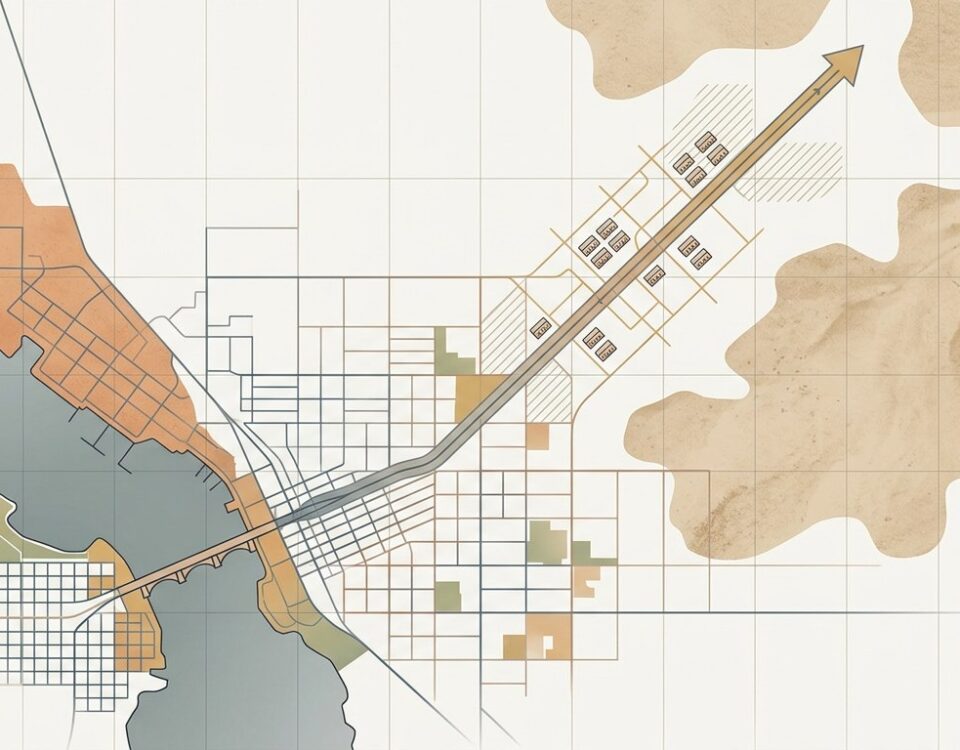
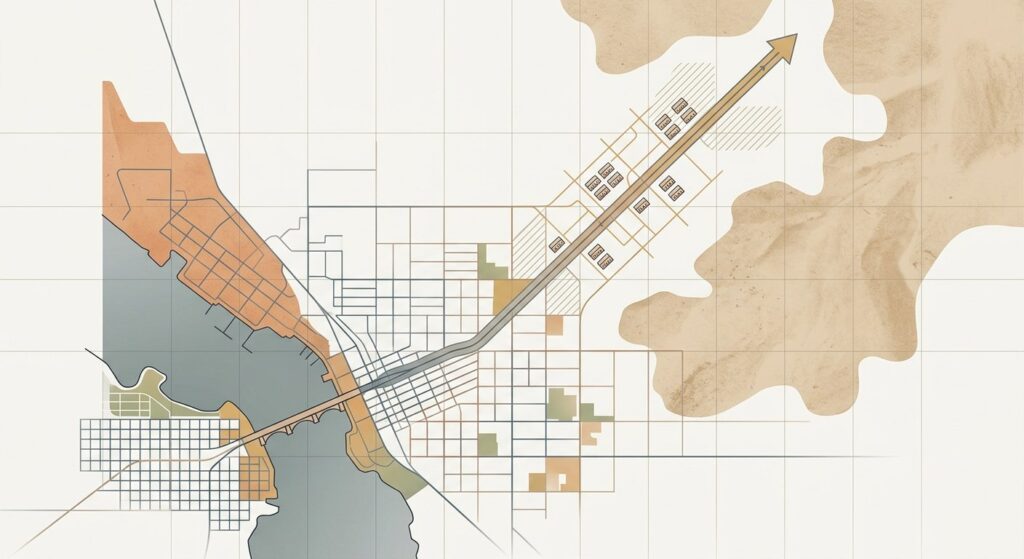
The 45-day 1031 identification window leaves almost no room for discovery. Investors who successfully defer tax on California commercial sales often pre-underwrite replacement properties before escrow closes. Pre-positioning means defining target corridors, income goals, and minimum cap rates before deadlines narrow your options.
What Pre-Positioning Means in a 1031 Exchange
Pre-positioning is not assembling a wish list. It means:
- Knowing which corridors you would buy in
- Identifying asset types that pencil at your target cap rate
- Understanding true net income after stripping out landlord obligations hidden in a “triple net” lease
When the 45-day window opens, you are selecting from a short list you already believe in, not starting from zero.
That distinction matters more in a compressed timeline than in any other transaction context. Urgency is when investors cut corners that they later regret. A 1031 exchange creates that urgency by design through its hard deadline.
A recent placement illustrates the point. We had a California client selling out of San Diego who needed to place replacement capital above $3 million in Arizona. The client owned a vacation home in Havasu but wanted income-producing commercial real estate.
That deal size does not exist in volume in the Havasu market. It exists in Phoenix and Scottsdale.
Identifying the right candidate required significant pre-search work before the escrow on the relinquished sale ever closed. Starting that search after closing would have consumed most of the identification window before a viable candidate was even underwritten.
The Cost Gaps Inside “Triple Net” Leases
The phrase “triple net” creates real misunderstanding among buyers who are not working commercial deals every day. An absolute triple-net lease means the tenant pays all taxes, insurance, and maintenance. In some cases, a lease may use the same label while carving out HVAC responsibilities under a deductible structure. The marketing package will not highlight that distinction.
One replacement candidate in Anthem came with a vague purchase-and-sale agreement and undisclosed HOA and POA fees. Furthermore, the existing leases were claimed to be triple-net, but quietly assigned all air conditioning costs to the landlord.
The true net income on that building was materially lower than the seller presented. Without a line-by-line review before closing, the buyer’s expected cap rate would not have matched what he actually owned.
The right approach is to back into value from verified net income, not the broker’s stated cap rate. That discipline does not relax under deadline pressure. It becomes more important.
Structural Risks Most Buyers Miss
During the same replacement property search, a second candidate surfaced: a Pep Boys location in Scottsdale. However, the deal required a double close with a third party already in escrow. That created a high-stakes timing dependency that the buyer could not control. If the first leg of that structure failed to close on schedule, the exchange broke.
With only 35 days left in the identification window, the buyer faced a critical choice. The decision came down to the Pep Boys site with its timing exposure, or the Anthem medical building with its disclosure friction.
Despite late fee revelations and resistance to disclosures, the Anthem building offered a cleaner path to closing. We closed the deal, and the exchange was successful.
But that outcome ran directly through due diligence. The other side was not making it easy. A buyer without that level of underwriting would have taken the wrong deal or run out of time.
Randy Shuffler holds the prestigious CCIM designation. This credential is held by roughly 6% of commercial practitioners nationwide, under standards set by the CCIM Institute. It reflects highly specific training in investment analysis and financial modeling.
“If you’re doing a 1031, you really want to know your market properties before you even sell your building in California. Once you get into that 45-day identification process, you’re not starting from zero. Some agents say, ‘Hey, this is a great location, great spot,’ and it could sit vacant for two years. They didn’t check the roof, the ACs, you can get yourself in a lot of trouble really quick.” – Randy Shuffler, Founder and Commercial Real Estate Agent, Lake Havasu City Commercial at Realty ONE Group Mountain Desert.
Out-of-state investors sometimes assume Arizona is a buyer’s market relative to California. The inventory reality in Havasu runs in the opposite direction.
Commercial land is tight around Lake Havasu. Quality buildings with stable tenants and verified net income rarely sit unsold for months. They won’t be waiting around for someone to arrive with a 1031 deadline and motivation to close.
The investors who pre-position identify and underwrite replacement candidates before escrow closes on the relinquished property. They are the ones who close on what they actually want at a number that holds up after the leases are reviewed.
The IRS rules governing 1031 exchanges under Section 1031 of the Internal Revenue Code do not bend for unprepared buyers. The timeline is fixed. The only variable is how ready you are when it starts.
What Investors Ask Most About 1031 Exchanges
When does the 45-day 1031 identification clock start?
The clock starts on the closing date of the relinquished property, specifically when the title transfers. It does not start at the signing of a sale agreement or the opening of escrow. Investors who treat closing as the starting line for their search have already lost a meaningful portion of the window.
What is the difference between a triple net and an absolute triple net lease?
An absolute triple net lease holds the tenant responsible for all property expenses, including taxes, insurance, and maintenance, with no exceptions. A modified triple net lease uses the same label. However, it carves out specific landlord obligations, such as HVAC systems, roof repairs, or structural components. The cap rate implied by a listing often assumes absolute net.
How does a double close create risk inside a 1031 exchange?
A double close requires a prior transaction to complete before the replacement property transfer can occur. If the first leg delays or fails, the 1031 window can expire before the replacement property closes. That makes the buyer’s ability to defer taxes dependent on someone else’s closing performance. Most buyers do not price in that risk when an otherwise attractive site is on the market.
Can a 1031 exchange cross state lines?
Yes. The like-kind requirement under Section 1031 applies to the nature of the asset, not its location. A California investor selling commercial real estate can identify and close on replacement properties in any state without disqualifying the exchange. Investment or business-use real estate qualifies as like-kind regardless of geography.
How many replacement properties can a 1031 buyer identify?
Under the three-property rule, a buyer can identify up to three replacement properties regardless of value. The 200% rule allows more identifications provided the combined fair market value does not exceed 200% of the relinquished property’s sale price. Identifying multiple candidates protects against a deal falling through mid-clock. It’s why backup options should be underwritten before the window opens.
What happens if a 1031 buyer runs out of time without closing?
If a buyer fails to identify a qualifying property within 45 days or close within 180 days, the exchange fails. The full gain becomes taxable in the year of the relinquished sale. There is no grace period and no administrative extension available under standard IRS Section 1031 rules. That is why the preparation window before the sale matters as much as the 45 days after it.
How early should a 1031 buyer start underwriting replacement properties?
The practical answer is to list the relinquished property before. Pre-underwriting replacement candidates during the listing period ensures that when the 45-day clock starts, the buyer is refining a shortlist rather than building one from scratch. Starting after closing forces buyers to compete for limited inventory, with no margin for error in due diligence. You can learn more in a recent post about what happens when you start your 1031 search late.
Win the 45-Day Window by Starting Before Closing
The investors who close on the right replacement property are not the ones who move fastest inside the 45-day window. They are the ones who did the underwriting before the window opened.
If your 1031 exchange clock is approaching, or if you’re planning a California sale that will trigger it, send us your requirements. We will run a true-net snapshot on Arizona replacement candidates and show what actually pencils before the pressure starts.
Schedule a consultation before the clock starts.
Randy Shuffler is the founder of Lake Havasu City Commercial at Realty ONE Group Mountain Desert. He holds the CCIM designation, placing him among roughly six percent of commercial real estate practitioners nationwide, and carries a BS in Finance from San Diego State University.
ABOUT THE AUTHOR
Randy Shuffler | Founder & Commercial Real Estate Agent, Lake Havasu City Commercial | CCIM | 20+ years in real estate & finance | $5M+ in verified sales | 52,000+ sq ft transacted | BS Finance, San Diego State University | Realty ONE Group Mountain Desert