California 1031 Exchange Buyers Who Pre-Underwrite Close Better
California 1031 exchange investors keep showing up in Lake Havasu City with real equity and real urgency. The ones who close well are not the ones moving fastest.
Successful outcomes start with investors who already know what their equity needs to return. They know which asset class they understand, and they also know which properties in this market actually pencil at their required cap rate.
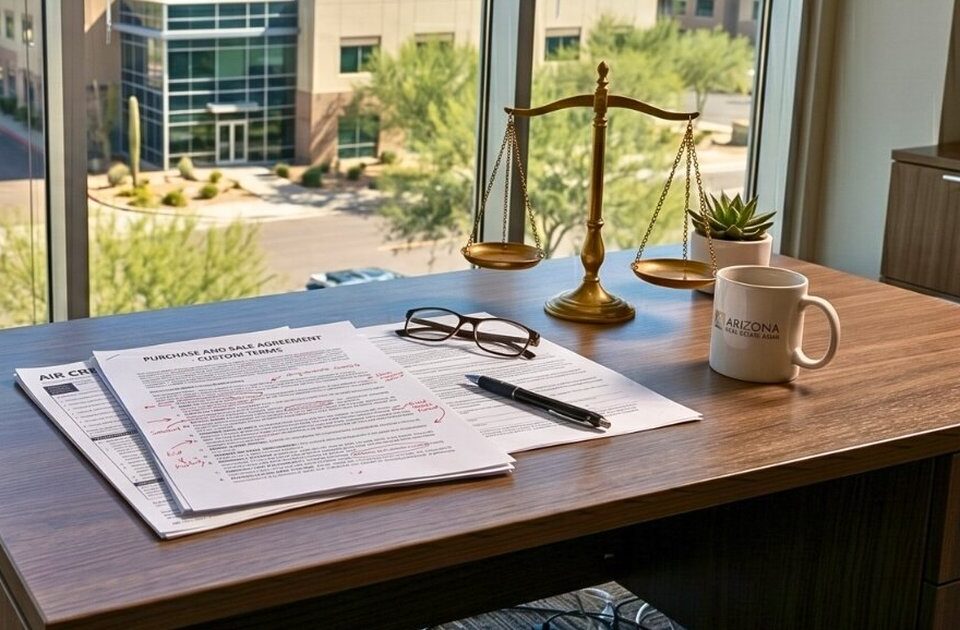
California 1031 exchange buyers who pre-underwrite replacement properties before their sale closes consistently outperform those who start researching during the 45-day identification window. In Lake Havasu City, the working cap rate range runs from six to eight percent, and inventory is genuinely tight. Fear-motivated buyers routinely overpay or accept lease risk they would never accept with a clear head. The math either holds before the clock starts, or it does not.
The California Tax Conversation Is Worth Taking Seriously
The proposed billionaire tax and ongoing capital gains anxiety out of California are driving measurable investor movement. The fear is real, and in some cases, that urgency produces smart, decisive capital placement. The problem starts when urgency stands in for clarity, because the two are not the same thing.
An investor fleeing a bad tax situation without anchoring the decision to replacement property fundamentals is not executing a 1031 exchange. They are executing an escape, and escapes tend to be expensive. The buyers who close well already know what they need before the conversation starts.
They carry a cap rate range that pencils at their equity level, a property type they understand, and a market where inventory and pricing line up with those targets. All of that work happens before the 45-day identification window opens. It does not happen during the scramble.
What the Cap Rate Range Looks Like in Lake Havasu City
The range that matters most in this market runs from 6% to 8%. Long-term leases with national tenants can compress that toward the low fives. Properties with vacancy risk, deferred maintenance, or short lease terms push the number higher. The floor also shifts with interest rates and with what investors can earn sitting in T-bills with zero management headache.
That last point matters more than most out-of-state investors expect. Rates climbed, and a clean six-percent T-bill offered yield without tenant risk or maintenance exposure. As a result, capital that used to move into commercial real estate paused. Cap rates had to rise to compete with that risk-free alternative. The dynamic has not fully reset, and it remains part of the underwriting conversation for any equity-heavy buyer.
A California seller will call with $2 million in equity from a building already in escrow. The first question is never about the timeline. It’s about what the replacement property needs to return for the deal to make sense. You also need to consider whether that number has been stress-tested against what is actually available here.
Randy Shuffler’s CCIM training is built for exactly this kind of analysis, working backward from equity and return requirements to find which properties qualify before the clock starts.
“Cap rates change all the time. It depends on the risk, the vacancy, where interest rates are, and what people can get in at the bank in T-bills. Six to eight has kind of always been the normal. With property, there’s depreciation and appreciation, and all the things that go with property, which is great, but you have to know what you’re buying.” – Randy Shuffler, Founder and Commercial Real Estate Agent, Lake Havasu City Commercial at Realty ONE Group Mountain Desert
How the 45-Day Window Punishes Buyers Without a Plan
The investors who burn through their identification window are the ones who spent the first two weeks browsing listings and the last two weeks panicking. The IRS requires identification of replacement property within 45 calendar days of the relinquished property’s closing. That window does not pause for weekends, holidays, or slow sellers.
One current client came in a week and a half into his 45-day window. He is actively underwriting a medical building with strong tenants, a good location, and serious capital improvement questions. The roof is likely due for replacement, the HVAC units are aging, and certain lease clauses let tenants exit within 180 days under specific conditions.
The building is priced around $2.9 million. He is considering coming in at $2.6 to $2.7 million and may pursue owner carry to sidestep bank financing, which would require cleaner lease language. That is real underwriting, and it is the work that has to happen before the clock starts, not during it.
A building priced at a seven-percent cap rate can deliver far less once you factor in true carrying costs. Chasing cap rate headlines without accounting for deferred capital needs is one of the most common and costly mistakes in this market.
The investors who close well keep a short list of pre-underwritten targets ready to move the moment the exchange begins. They are not starting research after the sale. They are executing a plan they built months earlier.
Why Fear-Motivated 1031 Buyers Consistently Overpay
There is a pattern worth watching. The investor leads every conversation with the California situation and rarely mentions what the replacement property actually needs to do. No return target, no asset-class preference, and no clarity on the timeline beyond “my accountant says I need to move fast.”
That investor is vulnerable on several fronts. They overpay for a property that looks good on paper because they are buying to escape rather than to invest. That buyer might accept lease terms they would never accept with a clear head, but the 45-day window is closing. They skip the due diligence steps that would catch capital improvement exposure because the deal feels urgent.
A qualified intermediary, required under IRS Section 1031 exchange rules, handles the mechanics of the exchange. The QI cannot tell you whether the property is worth buying, though. That answer requires ground-level underwriting.
“I’ve had a lot of people over the last four or five years who are worried about tax consequences from California. When they come to me, I have to be careful. I’m not a CPA, so I ask them to talk to their CPA. What I can help with is the property side. What does the replacement property actually look like? Does it pencil?” – Randy Shuffler, Founder and Commercial Real Estate Agent, Lake Havasu City Commercial at Realty ONE Group Mountain Desert
Frequently Asked Questions
What is a 1031 exchange, and how does it apply to California sellers?
A 1031 exchange lets an investor defer capital gains taxes by reinvesting the proceeds from the sale of a property into a like-kind replacement property. California sellers of commercial assets who are realizing significant gains often use this strategy to transfer equity to Arizona without triggering an immediate tax event. The exchange must meet strict IRS timing and identification requirements to qualify.
How does a qualified intermediary fit into a 1031 exchange?
A qualified intermediary (QI) holds the sale proceeds during the exchange period and facilitates the transfer of the proceeds to the replacement property. The IRS prohibits the seller from taking constructive receipt of the funds at any point during the exchange. Without a QI in place before the relinquished property closes, the exchange is disqualified. The QI handles the mechanics, and a local broker handles the property underwriting.
What does pre-underwriting a 1031 replacement property involve?
Pre-underwriting means calculating the cap rate your equity requires before you ever browse listings. It also means identifying the asset class you understand well enough to evaluate quickly and estimating likely capital improvement exposure for anything on your short list. You also need to know which lease structures work at your price point. The goal is to enter the 45-day window with two or three properties already stress-tested rather than with a search query.
Can California investors use a 1031 exchange to buy in Arizona?
Yes. A 1031 exchange does not require that the replacement property be in the same state. The replacement asset must be like-kind, which in commercial real estate is broadly interpreted to include any investment or business property. Arizona, and Lake Havasu City specifically, has become an active replacement market for California sellers. This is thanks to cap rate spreads, geographic proximity, and the scale of equity coming out of California assets. I covered this trend in a recent post about California commercial capital moving to Lake Havasu.
What should a 1031 buyer do if no suitable property is available during their identification window?
Exhaust the three-property rule first, since buyers can identify up to three replacement properties regardless of value. If none qualify, the 200-percent rule allows additional properties, provided their combined fair market value does not exceed 200 percent of the relinquished property’s sale price. If the exchange cannot be completed, the proceeds become taxable. That is exactly why pre-identification before the sale closes matters more than any other single factor.
Should a 1031 investor rely on their broker for tax advice?
No. A commercial broker can help underwrite the property side, including return requirements, cap rate analysis, lease structure, and market inventory. Tax strategy, exchange mechanics, and legal compliance require a licensed CPA and a qualified intermediary. The two conversations complement each other, but they should stay in their respective lanes.
What types of commercial property are available in Lake Havasu City for 1031 buyers?
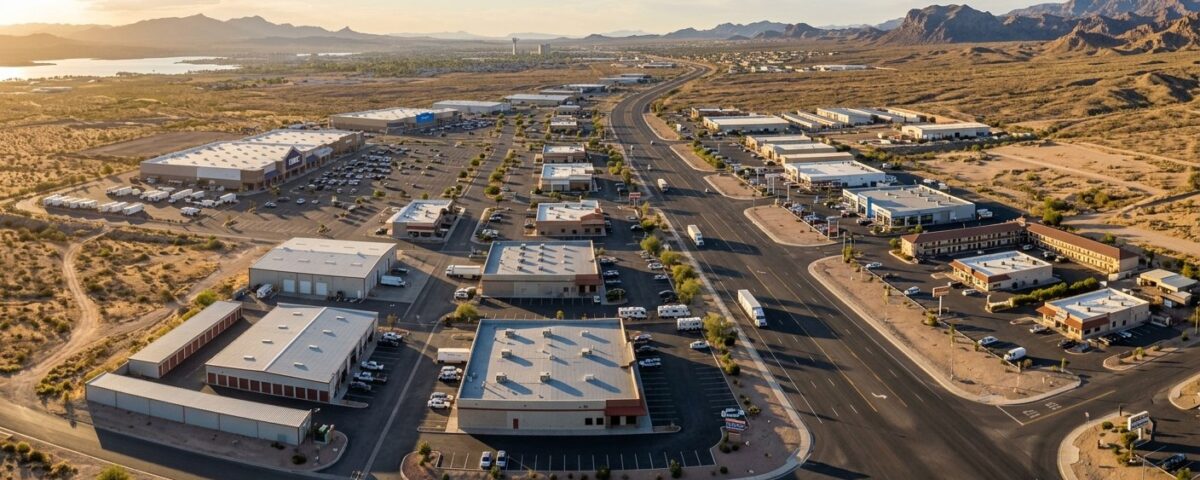
Active inventory includes multi-tenant light industrial, retail strip, medical office, and warehouse product. Inventory runs tight relative to demand because geographic constraints permanently limit new supply. Buyers who enter the market without pre-identified targets face real availability risk during a 45-day window.
Better Decisions Come From Preparation Before the Clock Starts
1031 investors don’t fail because they took the time to be careful. It’s typically the result of not laying the necessary groundwork before the clock started running. Once that pressure starts, it’s easy to make bad decisions.
Pre-underwriting removes most of that friction before it appears. It turns the 45-day window into a time for execution rather than discovery. Reach out to Shuffler Commercial Realty to pre-underwrite your replacement options before your identification period starts.
Randy Shuffler is the founder of Lake Havasu City Commercial and a commercial real estate agent at Realty ONE Group Mountain Desert. He holds the CCIM designation and a Certified Commercial Sales Specialist credential, with more than 20 years of commercial investment experience in the Lake Havasu City and Kingman markets. His academic background in finance from San Diego State University informs an underwriting-first approach to every transaction.
ABOUT THE AUTHOR
Randy Shuffler | Founder & Commercial Real Estate Agent, Lake Havasu City Commercial | CCIM | 20+ years in real estate & finance | $5M+ in verified sales | 52,000+ sq ft transacted | BS Finance, San Diego State University | Realty ONE Group Mountain Desert