Finding Under-Rented Properties Through Direct Mail
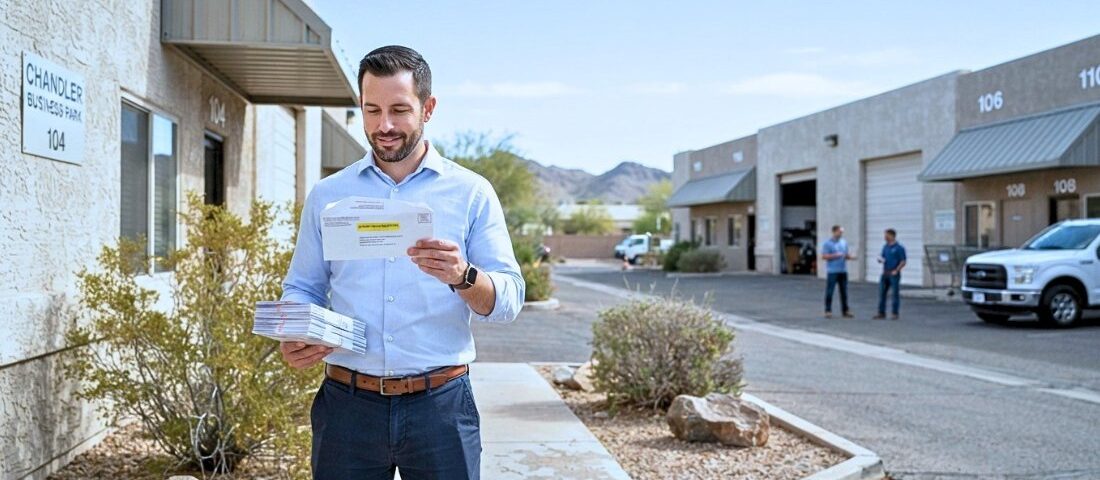
Direct mail to commercial property owners is a slow, low-volume way to find a building. When I send 300 to 500 letters, I typically get about five responses. An investor deciding whether a mailer-sourced deal is worth chasing should start with that number.
What those five replies can surface is the occasional under-rented building: one where the owner charges less rent than the space could earn. If I can buy that building at a good price, it opens the opportunity to raise rents over time. That delivers significant potential for income growth beyond what the property's price reflects.
The catch is that you have to be willing to wait. The rent increase may come slowly, so the math has to hold over that period.
Reaching commercial property owners through direct mail is a low-volume approach: 300 to 500 letters typically bring about five replies. Those responses can uncover under-rented buildings with potential for income growth, as well as owners struggling to lease flex space themselves. Both opportunities deserve a closer look, but investors must consider the time, pricing, and property challenges involved.
Five Replies Can Still Be Worth the Postage
A lot of online advice treats owner outreach like a faucet you turn on. In my experience, it is more like panning for one good find.
The standard mailer I send out is typically simple. It is usually for a 1031 exchange client. The mailer explains that I have a client looking for an exchange property, and asks whether the owner would consider selling his building.
I send out a few hundred, and typically get around five replies. Those five replies can become listing leads, but a reply is not a deal. You're just getting an owner who is willing to talk about selling.
The effort is also something to consider. I would like a tool that automates this outreach, because right now I do the work myself. I write the letters, print them, and put them in envelopes.
Some might consider that a lot of work for a trickle response, but I keep mailing because of what a reply can surface. An owner who responds may own a building that is under-rented, meaning the rents in place are lower than what the space could bring in. They may have held the same tenants for years and left rents alone, or priced the space low when they first filled it.
That gap is where the return comes from. We buy the building at a good price, and over a little time we raise the rents. An investor can underwrite that because a cap rate is a building's net operating income divided by its price. If income rises because rents rise, the same price gives a stronger return.
Evaluating the Opportunities That Come With Responses
You don't have to guess whether the market gets hotter. You can model the outlook based on real numbers. The goal is to determine whether the existing rent gap creates enough upside to justify the purchase price.
Start with what the building earns now after real operating expenses and vacancy. Then look at what comparable space leases for. Then price out the money and months it takes to close the distance between the two.
If that cost is small and the price is fair, the deal has a margin of safety. If the owner's price already assumes the higher rents, the margin disappears.
A rent roll is the list of tenants, rents, and lease terms, and it shows what you can and cannot change. If a tenant has years left at a low rent, you might have to wait for that lease to expire before the increase arrives. I covered how lease terms can hide things in my post on industrial lease structure.
And verify the under-rented claim yourself. An owner may call a building under-rented when the tenants are paying fair rent for what they get. You need to take the time to check that against comparable space in the area.
Owners Who Could Not Lease It Themselves Call Me
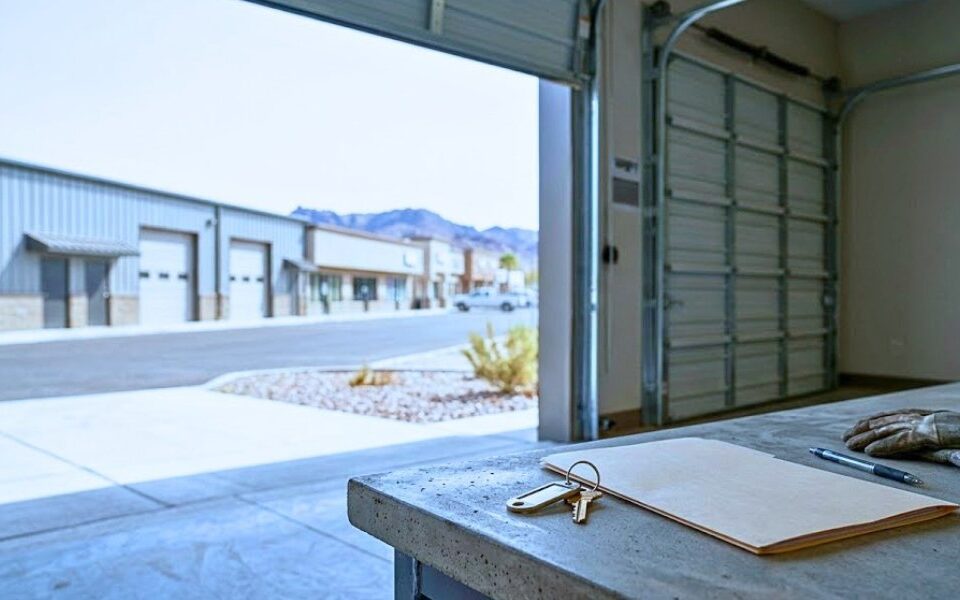
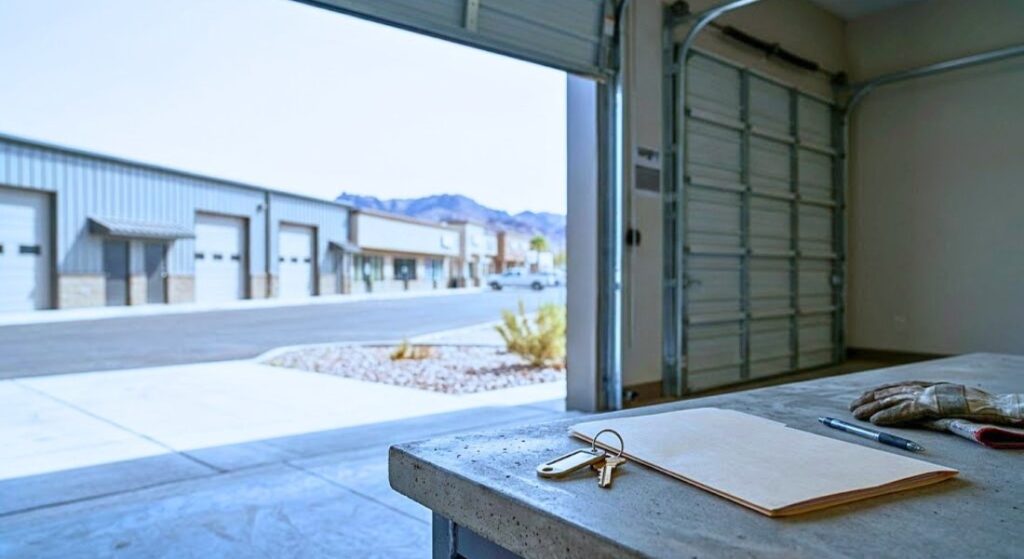
Mailers are not my only source of off-market conversations. I have also been getting calls from owners of warehouse and flex space who tried to lease it themselves.
Flex space is a small-unit building that mixes warehouse, shop, and office use under one roof. These owners put up their own sign and expect to fill the space quickly.
"I've been getting leads lately from people that usually put up a sign themselves and say they'll lease out their space in two weeks, and it's been two months." – Randy Shuffler, Founder and Commercial Real Estate Agent, Lake Havasu City Commercial at Realty ONE Group Mountain Desert
That call can lead to a good deal. An owner who has watched a space sit empty may want help, or may want out. However, you have to look at the property and understand why it hasn't leased.
A failed lease-up can signal a problem with the price or the space itself. The asking rent may be too high or the layout may not suit the tenants who want that size of unit. It could also be a location issue. A sign and two months of silence don't tell you which.
I know this because I've seen it happen. Smaller flex spaces usually lease very well when they come up, but I have two or three right now that have been tough to lease. I have a space on a main corner right by London Bridge that I haven't been able to lease. In one building I sold, we leased one unit and the other two went about nine months without a tenant.
When one of these calls arrives, ask the owner how much they charge in rent. You should also ask how long the space has been vacant and about who has looked at it and what they said. Then walk the space and compare it against similar units.
If you are weighing a flex building more broadly, my buyer's guide to industrial flex space walks through the math I use.
Underwrite the Rent Increase Like It Might Be Slow
The rent increase is the return, and its timing is the biggest unknown. So I underwrite it as if it comes slower than I hope.
I run the numbers on current income first, which is the floor. Then I run them with the increase arriving late, and last with the increase I hope for. If the deal only works in that last version, it does not pencil. A deal that works in the first two and improves in the third is one I would put my own money into.
Then there is what you spend to get the higher rent. Painting a building does not mean the rents go up. I judge an improvement by one question: does the added income repay the money you put in? One that only makes the building look better is an expense.
If the buyer is also on a 1031 clock, the timing gets tighter. Under the statute, the investor must identify replacement property within 45 days of transferring the property sold. They must also complete the exchange within 180 days or by the tax return due date.
A mailer-found deal moves on the owner's schedule, and a negotiation with an off-market seller can drift. A building like that belongs on a pre-underwritten list before the clock starts. I explained that approach in a recent post about the need to pre-underwrite before the 45-day clock starts. For how the rules apply to your own exchange, talk to a qualified tax advisor or attorney.
FAQs About Direct Mail and Finding Under-Rented Properties
How many replies should I expect from an owner mailer?
In my experience, mailing 300 to 500 letters typically produces about five responses. It is a low-volume source, so don't plan your calendar around it. A reply starts a conversation, and the building still has to pass the numbers.
What does under-rented mean?
An under-rented building charges rents below what the space could earn. If you buy it at a good price, you can raise rents over time and earn the return through higher income. Verify the claim against comparable leases, because an owner may call a building under-rented when the rents are fair.
Why would an owner call after trying to lease the space himself?
Some owners of warehouse and flex space put up their own sign and expect a lease within two weeks. When that time has long passed, some of them call looking for options.
Does a vacant flex space mean the owner priced it wrong?
Not always, but it can. The cause may be the asking rent, the layout, or the location. Smaller flex spaces usually lease very well, but I've seen ones that have been tough to lease. You need to determine why the space is vacant before making any investment decisions.
How long do I have to identify a replacement property in a 1031 exchange?
Under the statute, you must identify the replacement property within 45 days of transferring the property you sold. The exchange must then be completed within 180 days or by the tax return due date, if earlier. Ask a qualified tax advisor or attorney how this applies to your situation.
Which form reports a like-kind exchange?
The IRS uses Form 8824 to report like-kind exchanges of business or investment property. Your tax advisor can tell you how to complete it for your exchange.
Find the Opportunity Behind the Numbers
Direct mail takes patience, and most responses will not turn into deals worth pursuing. But one under-rented building can make the effort worthwhile if the numbers support the opportunity. The key is knowing what to look for and giving yourself enough time to see the potential.
I help commercial property owners and investors evaluate buildings based on income, expenses, and realistic rent potential. Reach out now if you have a property in mind. I'll show you where the income stands today and whether the potential upside makes financial sense.