What a Guarantee Refusal Really Tells Havasu Landlords
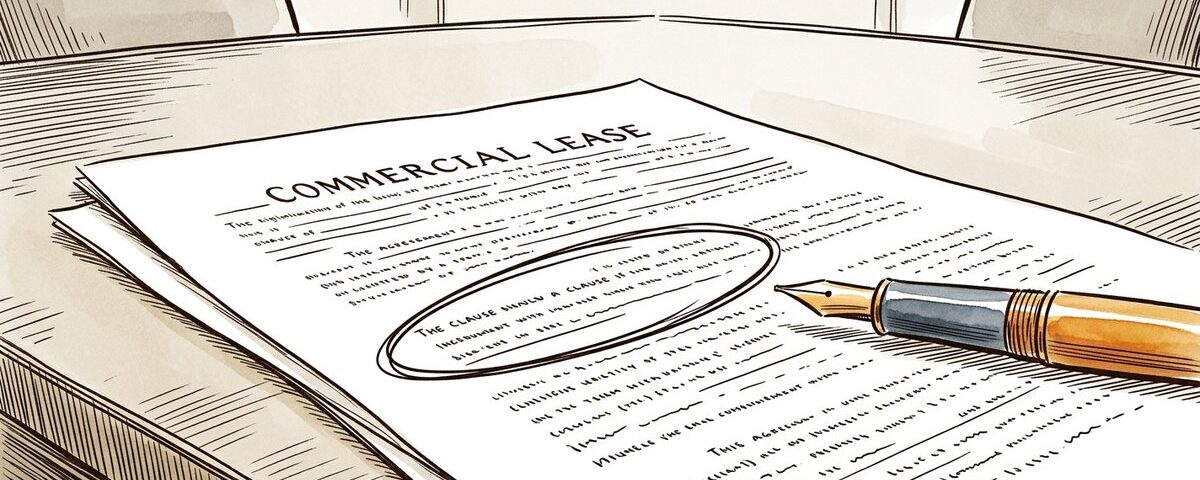
A tenant's refusal to sign a personal guarantee is more than a negotiating position. It is a signal worth reading before the conversation goes further. In Lake Havasu City's industrial and flex market, leasing has slowed, and timelines have stretched. That makes tenant screening and lease structure more important for landlords. Understanding why a tenant resists a guarantee can reveal where deeper due diligence may be needed.
A tenant's refusal to sign a personal guarantee does not automatically indicate financial weakness. It does, however, give landlords a reason to examine the tenant's financial position, business structure, and proposed lease terms more closely. The goal is to determine whether the tenant's overall financial profile provides enough security for the lease.
What a Personal Guarantee Refusal Reveals
A personal guarantee can make a business owner personally liable for obligations covered by the lease. The scope depends on the guarantee’s specific terms, making resistance worth examining when a tenant strongly objects to providing one.
When a tenant pushes back hard on signing a personal guarantee, the first question is why. The refusal does not automatically mean the tenant lacks financial strength. It may reflect concerns about personal liability or the terms of the guarantee. It can also prompt questions about available capital, business performance, and the tenant's ability to support the lease.
That harder look can include reviewing credit, financial statements, bank records, and other available information. The key is determining whether the tenant can support the lease obligations.
When Waiving Is the Better Call
Not every situation is the same. There are scenarios where a landlord might rationally decide the guarantee matters less than filling the space.
The risk calculation changes with the rent level. A tenant paying modest rent on a secondary space may represent a more contained downside. If the business fails, the potential loss may be easier to absorb. Demanding a personal guarantee in that situation may not be worth the friction it creates.
The calculation shifts when the landlord's exposure increases. A tenant requesting substantial improvements or committing to a long-term lease creates more risk. That's when a personal guarantee becomes more valuable to the landlord.
Sometimes a landlord simply needs a tenant because the space has been sitting in a slow market. The economics of a leased unit at modest rent may beat the economics of a vacant one. Getting someone in the door may matter more than holding the guarantee. That is a legitimate call, as long as the landlord makes it with clear eyes and understands the risk.
A landlord who waives the guarantee can reduce exposure in other ways. Consider a larger security deposit, a shorter initial term with renewal options, tighter TI allowances, or stronger default protections.
What the Guarantee Does Before Enforcement
A personal guarantee can create personal liability when a business defaults on covered lease obligations. Enforcing that liability may require legal action, and recovery is not guaranteed.
One of the guarantee's most important functions is changing behavior before enforcement becomes necessary. A tenant who signs a guarantee knows that a default can create personal liability beyond the business itself. That knowledge can influence how they prioritize payments when cash gets tight.
Randy Shuffler, founder of Lake Havasu City Commercial and a commercial real estate agent, has more than two decades of commercial real estate experience.
"I've had it where I sold a building, and the lady didn't pay her last two or three months' rent. She'd been there for probably twenty years. I thought she wasn't going to pay. And then you bring up the personal guarantee, putting a lien on her house, all the things, and the check shows up. I've never seen it actually get enforced. It just scares them to pay their rent."
— Randy Shuffler, Founder and Commercial Real Estate Agent, Lake Havasu City Commercial
The guarantee is more than a collection tool. It can provide leverage when the landlord-tenant relationship gets strained. That distinction matters in a small market where replacing a tenant can take time, and vacancy carries a cost.
Landlords reviewing a lease structure can contact Randy Shuffler for a closer look at the deal before signing.
A More Selective Lease Market in Lake Havasu
Lake Havasu's commercial leasing market has become more selective, but conditions vary by property type. Recent leasing trends in Lake Havasu show warehouse and flex space holding up better than office and secondary retail.
That makes waiving a guarantee a deliberate risk decision. Landlords should evaluate the tenant's financials, rent level, and lease term. They should also consider what the landlord actually stands to lose if the deal goes sideways. Vacancy risk requires careful underwriting before accepting additional tenant risk.
A tenant’s refusal to sign a personal guarantee is a signal worth examining. The reason behind the refusal may tell you more than the document itself.
The Lake Havasu commercial lease market in 2026 favors landlords who underwrite their tenants like good investors underwrite their deals. That means reading the signals, running the numbers, and not letting occupancy pressure override sound judgment.
Common Questions About Personal Guarantees
What is a personal guarantee in a commercial lease?
A personal guarantee is a legal commitment that makes the business owner personally responsible for covered lease obligations if the business defaults. It gives the landlord a potential claim against the guarantor beyond the business entity. The scope of that liability depends on the guarantee's specific language and terms.
Why do some established companies refuse to sign personal guarantees?
Established franchise operators, publicly traded companies, and some well-capitalized regional chains may decline personal guarantees as a matter of corporate policy rather than financial weakness. In those cases, the tenant may offer a corporate guarantee or a larger security deposit instead. New businesses, operators with limited track records, and tenants whose financials have not been independently verified may require closer scrutiny. Context matters, but the refusal should always prompt a closer look regardless of how the tenant is presented.
What due diligence should a landlord run when a commercial tenant refuses to sign?
Depending on the tenant’s consent and the landlord’s screening process, due diligence may include reviewing personal credit and business financial statements. It can also include bank records from the past six to twelve months. Also verify the business's operating history and check for existing liens or judgments. If the tenant also resists reasonable financial verification, that combination warrants closer scrutiny. Randy covers how undisclosed risk can surface in commercial deals.
How much does a signed personal guarantee matter if enforcement is rare?
A signed guarantee can matter even when the landlord never has to enforce it. The possibility of personal liability may influence how a tenant responds when financial pressure develops. Its value is therefore not limited to what happens in court.
Does Arizona law affect how a personal guarantee is structured in a commercial lease?
Yes. The language of a personal guarantee determines the scope of the guarantor's obligations. Guarantees can differ in their dollar limits, duration, covered obligations, and conditions. Arizona courts have enforced commercial lease guaranties. Because guarantee terms depend on the document and applicable law, landlords should have an Arizona real estate attorney review them before execution.
At what rent level does a personal guarantee become non-negotiable?
There is no fixed threshold, but the calculus is straightforward. The higher the rent, the longer the lease term, and the more the landlord invests in tenant improvements, the more valuable a guarantee may become. When a landlord has committed capital to improve a space for a specific tenant, protection matters most. A personal guarantee is one tool for protecting that investment. Waiving it in a high-improvement deal can leave more of that risk with the landlord.
Does the current Lake Havasu City market make it harder for landlords to hold the line on guarantees?
Current conditions vary by property type. Leasing has slowed in parts of the Havasu market, while industrial and small-bay flex remain relatively tight. That can create pressure in some deals, but landlords should not assume every space requires concessions. Waiving a guarantee can be reasonable in a low-risk situation, but it should be a conscious decision based on the specific deal. A vacant space is expensive, but a bad tenant locked into a long lease can cost more. For additional context, see the analysis of current Havasu industrial lease rates.
Can a landlord negotiate partial personal guarantee protection instead of an all-or-nothing decision?
A partial or burn-off guarantee is a real structure. The guarantee can be written to reduce or expire after the tenant demonstrates consistent payment over a defined period. This gives the landlord meaningful protection during the riskiest early phase of the tenancy while giving the tenant a defined path to release. It may not provide enough protection when the landlord's exposure is unusually high. But it can make sense when the refusal reflects a preference about personal liability rather than a financial concern.
Make the Right Call Before You Sign
If a tenant is pushing back on a personal guarantee and the deal is moving toward signature, slow down. The refusal does not automatically signal financial weakness, but it deserves a closer look. The goal is to understand what the resistance means before the lease is executed. A concession that makes sense for one tenant may create unnecessary exposure with another.
Randy Shuffler helps landlords across Lake Havasu City and the Kingman corridor evaluate tenant risk, concessions, and lease structure. Connect with Lake Havasu City Commercial before signing a lease that deserves a harder look.
ABOUT THE AUTHOR
Randy Shuffler | Founder & Commercial Real Estate Agent, Lake Havasu City Commercial | CCIM | 20+ years in real estate & finance | $5M+ in verified sales | 52,000+ sq ft transacted | BS Finance, San Diego State University | Realty ONE Group Mountain Desert