Lake Havasu City Commercial Real Estate Is Splitting Along a Clear Line
Right now, Lake Havasu City commercial real estate is doing two very different things at the same time. Quality income properties are still selling fast, sometimes within a single day. But leasing has slowed considerably. Spaces that were once filled in weeks are sitting for months.
Quality commercial properties in Lake Havasu City are still selling quickly when they meet three criteria: strong tenants, net income that supports the asking price, and a viable plan if the tenant leaves. Commercial leasing has slowed considerably as fewer new businesses enter the market, making vacant space harder to fill and extending typical lease-up timelines from weeks to months. Properties depending on filling vacant space with new tenants require conservative underwriting that accounts for current market conditions rather than historical absorption rates.
Both of those things are true right now, in the same market. Which one matters to you depends entirely on where you sit in the transaction.
What Quality Actually Means in Lake Havasu City Right Now
When people ask me what is still moving in this market, I tell them the same thing every time: quality. But that word gets thrown around a lot, so let me be specific about what it means here.
Quality commercial property in Lake Havasu City comes down to three things: tenant strength, net income that supports the asking price, and a credible answer to what happens if a tenant walks. If a property meets all three criteria, it is still moving. If it needs you to make favorable assumptions on even one of those, it is sitting.
Here is a recent example that shows you exactly how fast the right deal moves. A Scottsdale triple-net Pep Boys came to market at a 6.8 cap with a five-year lease and two-year options. It sold in a single day. The buyer’s agent came in over $200,000 above asking to close at a 6.3 cap. That still made sense for the right buyer because the property penciled out.
If you are targeting income properties in the Lake Havasu commercial corridor, the math on quality has not changed. The margin for error on everything else has narrowed significantly.
Leasing Has Slowed, and Here Is Where It Shows Up in Your Deal
The leasing slowdown is real, and it is worth understanding because it directly affects underwriting risk.
The core issue is simple. Fewer new businesses are coming into this market. The operators who used to fill general commercial units are not absorbing space at the pace they were two or three years ago. Part of what is driving this is how rising housing costs are quietly redirecting commercial tenants to nearby markets.
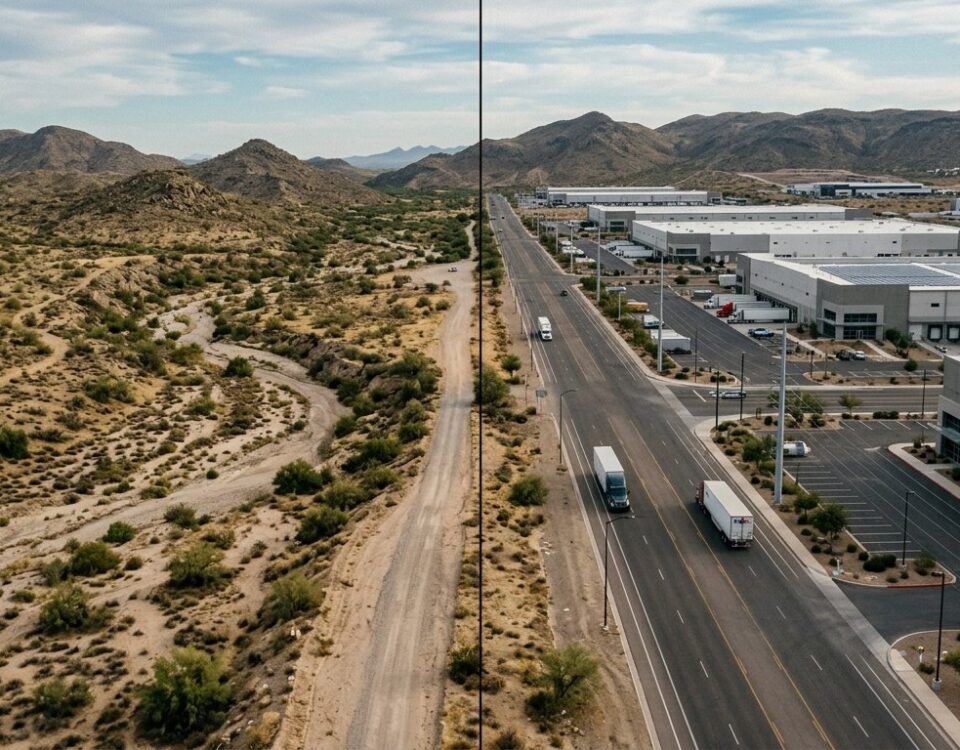
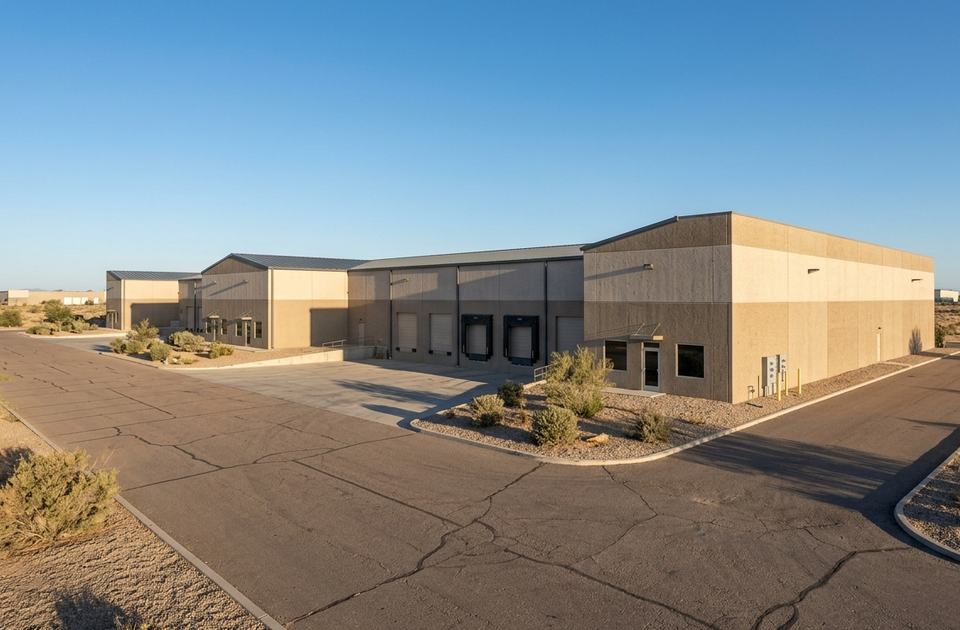
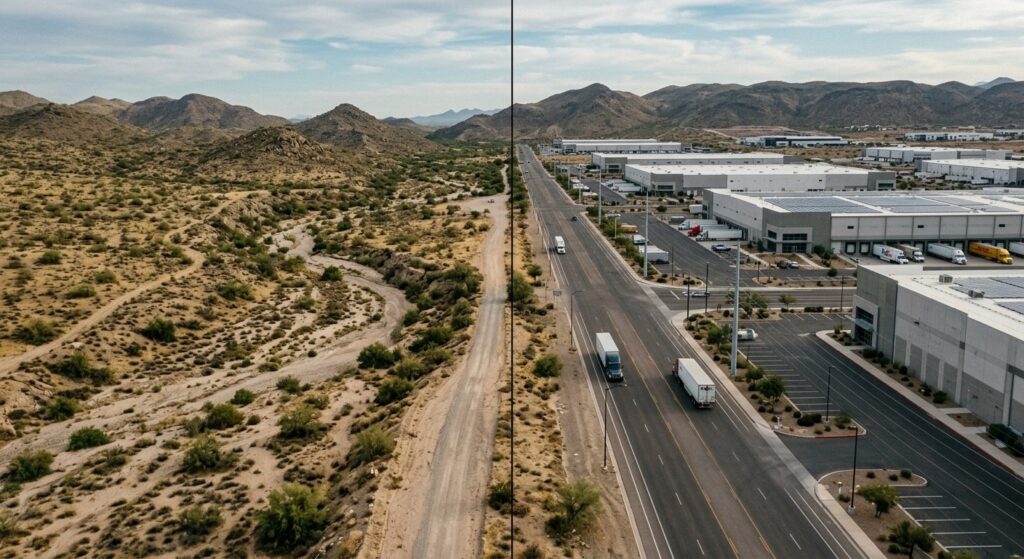
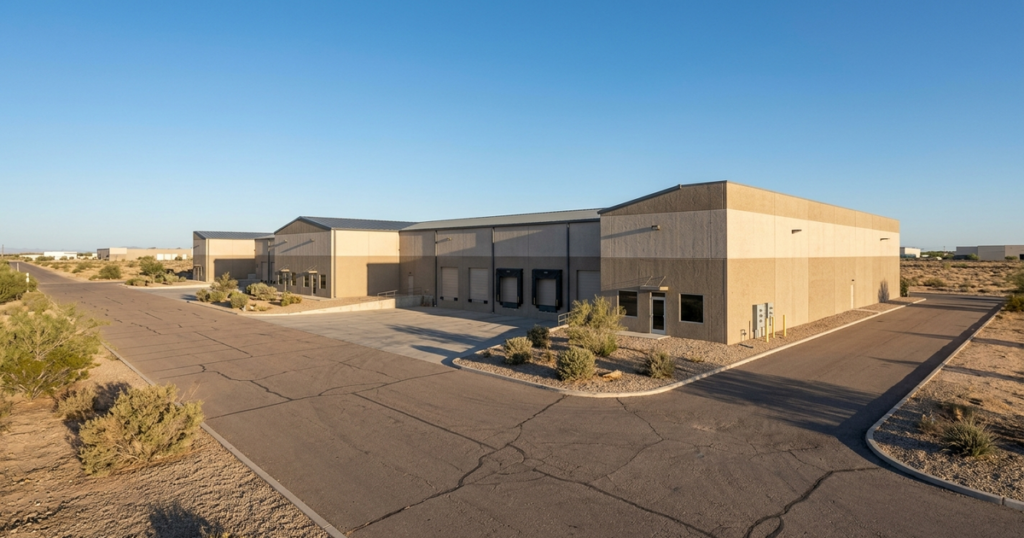
Professional office and retail in secondary locations are the hardest hit right now. Warehouse and flex space are holding up better. Retail with a genuinely strong, visible location still moves. Retail that depends on location to save it does not.
Here is where this matters to you. If the deal you are looking at depends on filling vacant space with new tenants, your underwriting has to reflect what the leasing market is actually doing right now. You can’t rely on what it was doing in 2021 or 2022.
A space that you could fill in 30 days two years ago might sit for 12 months today. If your model does not account for that, you are setting yourself up for a completely avoidable cash flow problem.
If you are pursuing a value-add play, run the stress test. You need to consider a conservative lease-up timeline and tenant improvement costs in the model.
What does 12 months of vacancy do to your cash position? If the deal survives that, it is worth taking seriously. If it only works when everything goes right, you are not buying an investment. You are buying a bet.
The Inventory Situation Here Is Not Going to Change
Here is something that shapes every conversation I have had with investors looking at this market. Lake Havasu City is effectively landlocked.
The lake, Arizona State Trust Land, and federal Bureau of Land Management holdings surround the city. There is no outward expansion.
Residential lots have dropped to approximately 1,800 remaining. Some businesses are already drifting toward Kingman and Bullhead City because they cannot find housing for employees here.
That constraint cuts both ways. It explains part of the leasing slowdown. But it also explains why quality income properties hold their value and sell when priced correctly. You cannot build your way to a better basis in a market that cannot grow outward.
Capital is still moving here, which tells you something. The old mall site is being converted to medical use. A new restaurant has opened. Recently approved apartments are moving forward. An island resort project is advancing through the approvals process.
The question is not whether Havasu has demand. It is whether the specific property you are looking at is positioned to capture it, or is sitting in a pocket the market has already passed by.
If you are looking at Lake Havasu land plays, that structural inventory ceiling is the single most important variable in your long-term return model.
What the Cap Rate Conversation Looks Like on the Ground
One of the most common mistakes I see is investors applying a single cap rate assumption across all property types in this market. That will get you into trouble fast.
Light industrial and warehouse, where supply is tightest, and tenants tend to be more durable, carries different pricing dynamics than general office or secondary retail. If you are using the same cap rate target for both, you are mispricing the risk on both ends.
The 6.5 to 7.5 cap range is where serious conversations are happening right now. Properties trading above that range usually carry the risk that the income does not fully offset. Properties trading below it need a quality story that the market can actually verify, not just a compelling pitch.
And when I run the analysis, one number matters above everything else: true net income. Gross income minus real expenses, with vacancy factored at current market rates. That is the figure you back into value from.
If the asking price does not hold up at a cap rate that reflects the tenant’s actual risk and the lease, the deal does not pencil out. It does not matter what the listing says.
What One of Mohave County’s Few CCIM Brokers Is Seeing on the Ground
I spent more than two decades underwriting and transacting commercial real estate across Lake Havasu City and the broader Arizona corridor. My CCIM designation, held by fewer than 6% of commercial practitioners nationally, means every deal starts with investment analysis, not listing enthusiasm.
“Sales are still really good. If a building comes up with good income and good tenants, it’s still gone. But leasing has definitely slowed down a lot. Sometimes I think it’s better that they pay the taxes than just get into a bad investment.” Randy Shuffler, Founder and Commercial Real Estate Agent, Lake Havasu City Commercial at Realty ONE Group Mountain Desert
If You Are Running a 1031, You Need to Read This Section
The inventory problem is real for 1031 buyers, and the compressed timeline makes it worse.
Good properties in this market do not sit around waiting to be found. They sell before they hit major listing platforms, or they move within days of appearing.
The buyers who close are the ones who had their underwriting done before the 45-day identification clock ever started. They had their cap rate targets already set and their tenant profile criteria defined. Success means having a shortlist of realistic target properties ready to go.
If you come in unprepared and start the clock anyway, you are setting yourself up for the worst-case scenario in this market. Time pressure on thin inventory is how bad deals get rationalized. And paying capital gains taxes is a better outcome than closing on a property that cannot survive a vacancy.
I tell clients who come in late on a 1031 the same thing every time: pre-underwrite before you start the clock. The specific failure modes that come with 1031 time pressure are worth understanding before you begin.
Answers to Common Questions
Are commercial properties still selling in Lake Havasu City?
Yes, the right ones are. Properties with solid tenants, verified net income, and realistic pricing still move quickly, sometimes in a single day. Properties with tenant risk or pricing above what the income supports are sitting. The market is selective right now, not frozen.
Why has commercial leasing slowed down in Lake Havasu City?
Fewer new businesses are coming into the market. The professional service tenants and regional operators who filled general commercial space are not absorbing at the same rate they were a few years ago. Warehouse and flex space is holding up better, but even that has softened.
How should a 1031 buyer approach a tight inventory market?
Do your underwriting before the 45-day clock starts, not during it. Set your cap rate targets, define the tenant profiles you will accept, and build a realistic short list in advance. Buyers who enter the clock without that preparation face time pressure amid thin inventory. That is exactly when they end up rationalizing deals that do not actually pencil out.
What makes a commercial property quality in Lake Havasu City right now?
Tenant strength, true net income that supports the asking price, and a credible plan for what happens if that tenant leaves. Properties that check all three are still selling fast. Properties that need favorable assumptions on even one of those factors are sitting.
Why is commercial inventory so limited in Lake Havasu City?
The lake, Arizona State Trust Land, and federal BLM holdings surround the city. There is no room to expand outward. Residential lots are down to approximately 1,800 remaining. That cap on new development keeps existing supply tight even when leasing demand softens.
What is the biggest underwriting mistake buyers make in a slow-leasing market?
Using absorption rates from two or three years ago instead of what the market is actually doing today. A space leased 30 days ago might now sit vacant for 12 months. If your model does not reflect that gap, you are walking into a cash flow problem you did not have to have.
Is value-add commercial real estate still worth pursuing in Lake Havasu City?
Under the right conditions, yes. The deal needs to survive a 12-month vacancy assumption with realistic tenant improvement costs before it earns serious consideration. If the numbers work under those conditions, the play has merit. If they only work when everything goes right, you are buying assumptions, not income.
How does Lake Havasu City’s land constraint affect commercial property values?
It supports them. Because new supply is structurally limited, well-located income properties hold their value even when leasing softens. You cannot build your way to a better basis in this market, which gives existing quality assets more durable pricing than you would find in an unconstrained market.
Read the Market Correctly Before You Commit
The current Lake Havasu commercial real estate market rewards precision and punishes assumptions. Strong tenants and real income still drive fast sales. Your edge comes from aligning your model with current leasing realities.
I work with clients to ensure they have a clear view of the market before making a move. Get in touch to review your options and move forward with confidence.
Randy Shuffler is the founder of Lake Havasu City Commercial at Realty ONE Group Mountain Desert. He holds the CCIM designation, earned by fewer than 6% of commercial real estate practitioners nationally, and brings a BS in Finance from San Diego State University to every investment analysis he runs.
ABOUT THE AUTHOR
Randy Shuffler | Founder & Commercial Real Estate Agent, Lake Havasu City Commercial | CCIM | 20+ years in real estate & finance | $5M+ in verified sales | 52,000+ sq ft transacted | BS Finance, San Diego State University | Realty ONE Group Mountain Desert