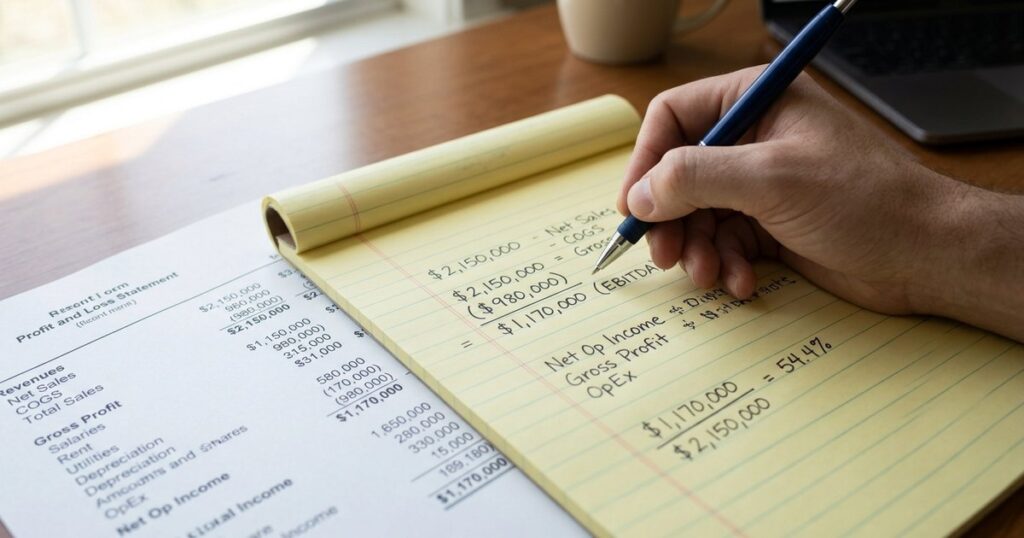
What 180 Days on Market Really Tells Commercial Buyers
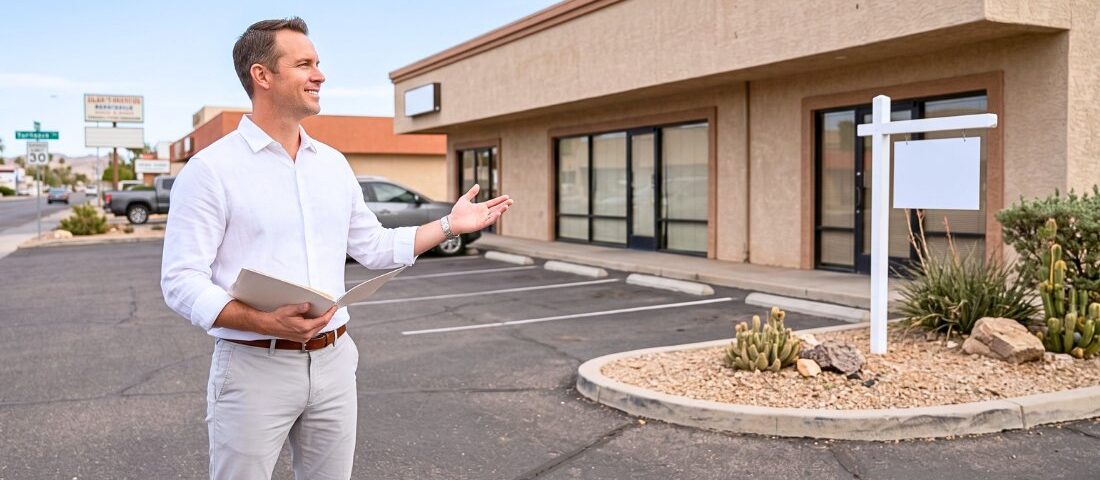
You come across a commercial listing that's been sitting for six months. The broker blames the economy, and the seller says the market is slow. But when a Havasu building goes stale, the stated reason and the real reason are rarely the same thing.
In Lake Havasu City commercial real estate, extended days on the market is more often a pricing signal than a market indicator. The good news for buyers: that gap between stated cause and real cause is exactly where the deal lives.
When a commercial property sits for 180 days or more in Lake Havasu City, the cause is almost always price. Stale listings tell a specific story about income, leaseability, and seller expectations. Buyers who learn to read that story can structure smarter offers and find real value where others see risk.
Is the Economy Really to Blame for Stale Days on Market?
When a commercial property in Lake Havasu City sits for 180 days or more, the instinct is to blame external forces. You're looking at interest rates, consumer sentiment, and the broader economic outlook. Those things matter, but they rarely explain why a specific building has not sold.
In most cases, you're looking at a pricing issue. Everything sells for the right number. A building can have a difficult location, an aging structure, deferred maintenance, or an awkward floor plan. None of those things are fatal to a transaction. What kills deals is an asking price that does not reflect what the building actually produces, or could realistically produce, in the current market.
Reading Days on Market Like an Underwriter
Days on market are more than a simple timeline. When you know how to read them, you'll find a signal. A stale listing tells a story about pricing, leaseability, and what the seller will accept.
The first question is whether it is leased or vacant. A leased building with a good tenant and clean lease terms prices off the income. The math is straightforward: take the true net income, divide by a market cap rate, and arrive at a supportable value. If the numbers say the building is worth $900,000 and it sits listed at $1.3 million, the days on market make complete sense.
A vacant building requires a little more work to value. The underwriting shifts from what the property does produce to what it could produce, and that uncertainty carries a discount. Sellers who refuse to accept that discount watch their listing age.
With U.S. Treasury bills and other alternatives offering returns in the 5% to 6% range, buyers in this market won't accept 4% or 5% cap deals. When a building prices at a cap rate below that threshold, it will sit. The longer it sits, the more the stale days become the headline.
Some of the longest-sitting listings in Havasu came out of the inflationary construction cycle. Owners put real money into those buildings and want to recover their costs. That is understandable, but it is not how the market prices assets. The market prices income, not construction cost. When those two numbers diverge significantly, days on market accumulate fast.
For a deeper look at how income dictates value in this market, read my post about what triple net listings won't tell you. It takes a closer look at how cap rate fits into this analysis.
Structuring an Offer on a Stale Listing
A buyer who walks a stale listing and reads the real story before leaving the parking lot holds a real advantage. The building is overpriced relative to its income. The location may create a leasing challenge. The seller has been carrying costs for six months and is running out of patience.
That information is useful, but only if the buyer structures the offer to match the actual risk. A building with no tenant is not worth the same as a building with a stabilized lease. The offer should reflect that gap.
A buyer who backs into value from true net income, rather than accepting the seller's stated price and working backward, underwrites the deal correctly. The days on market number confirms that the broader market has already reached the same conclusion. Backing into value from true net income anchors an offer to reality instead of the seller's cost basis.
Ground-Level Pattern Recognition Changes the Math
There are buildings in this market that a careful operator would not sell to a buyer even if the buyer wanted them. Once they go vacant, they are likely to stay that way. That kind of judgment does not appear in a listing description. It comes from watching specific corridors and specific property types over years.
Randy Shuffler has spent more than two decades operating in the Lake Havasu City and Kingman markets. As a CCIM-designated commercial investment specialist, Randy applies structured investment analysis to local market realities in ways that listing data alone cannot replicate.
"Everything will sell for the right price. It could be the ugliest property ever, but for a dollar we'd all buy it. So ultimately, it always comes down to price. If you have a building that's leased with good tenants, you can sell it if you price it correctly. If you have a building with no tenants, it's been really tough to sell. The numbers are the value of the building. There's no going around it." – Randy Shuffler, Founder and Principal Broker, Lake Havasu City Commercial
FAQs About the Days on Market Signal in Commercial Real Estate
Why do commercial properties sit on the market for 180 days or more?
The most common cause is a listing price that does not reflect what the property actually produces in net income. External factors like interest rates influence buyer behavior broadly, but when a specific building lingers, price is almost always the primary driver. Markets price income, not seller cost basis or replacement cost.
How does a stale commercial listing affect seller negotiating position?
Six months of carrying costs, zero offers, and accumulating days on market shift negotiating leverage to the buyer. A seller who hasn't adjusted the price after 180 days is either unwilling to accept market reality or waiting for someone who doesn't understand the numbers. Neither position serves the seller well. Buyers with a clean true-net analysis and a realistic offer are often the first serious conversation a motivated seller has had in months.
What does backing into value mean for a commercial buyer evaluating a stale listing?
Start with verified net operating income (NOI). Divide by the target cap rate that reflects current market conditions in Lake Havasu City. The result is the supportable purchase price. If that number sits well below the asking price, the stale days on market are not a surprise. The market is confirming the same math every buyer who ran the numbers already found.
How do construction costs affect the price buyers should pay for a commercial property?
They do not, at least not directly. The market prices income, not what it cost to build the asset. Owners who built during the inflationary construction cycle often carry a high cost basis and want to recover it through the sale price. When that price exceeds what the income supports, the building sits.
What cap rate should buyers target in the Lake Havasu City market right now?
With alternatives like Treasury bills yielding 5% to 6%, buyers have little reason to accept 4- or 5-cap deals on commercial assets. A 6.5% to 7% cap rate is a reasonable baseline for most buyers in 2026. 7% to 8% makes deals significantly more competitive in the current rate environment.
Should I make an offer on a commercial property that has been sitting for six months?
It depends entirely on why it sat. If the cause is a correctable pricing mismatch and the underlying asset is sound, it could be a strong acquisition. You just need to structure the offer around true net income instead of the seller's list price. The analysis matters more than the days-on-market number itself.
Is location a factor in why some Lake Havasu commercial buildings sit longer than others?
Yes, and it is one of the harder factors to price correctly. A building on a secondary corridor with limited visibility or constrained access faces a smaller tenant pool. That reduces leasing velocity when vacant and compresses buyer appetite for risk. Sellers in those locations who price at the same cap rate as a McCulloch Boulevard property will sit longer. Location shapes the discount buyers require, and that discount has to show up in the ask.
How do I know if a stale listing in Lake Havasu City is priced correctly?
Take verified net operating income, apply a realistic market cap rate, and calculate a supportable value. If that number differs significantly from the asking price, the market has already told you what it thinks. In that case, the days on market number is just evidence that the property is overpriced.
What Stale Listings Mean for Buyers Right Now
Havasu's commercial inventory is tighter than it looks on the surface. Buildings with solid tenants and clean leases at realistic cap rates move when priced correctly. When days on the market are high, it almost always signals a pricing issue.
Are you looking at a stale listing in Havasu and want to know whether the stated price reflects real value? Send the address to Lake Havasu City Commercial. We'll run a true-net snapshot and tell you what the numbers actually show.