After 15 Years Leasing, Should You Buy the Dirt
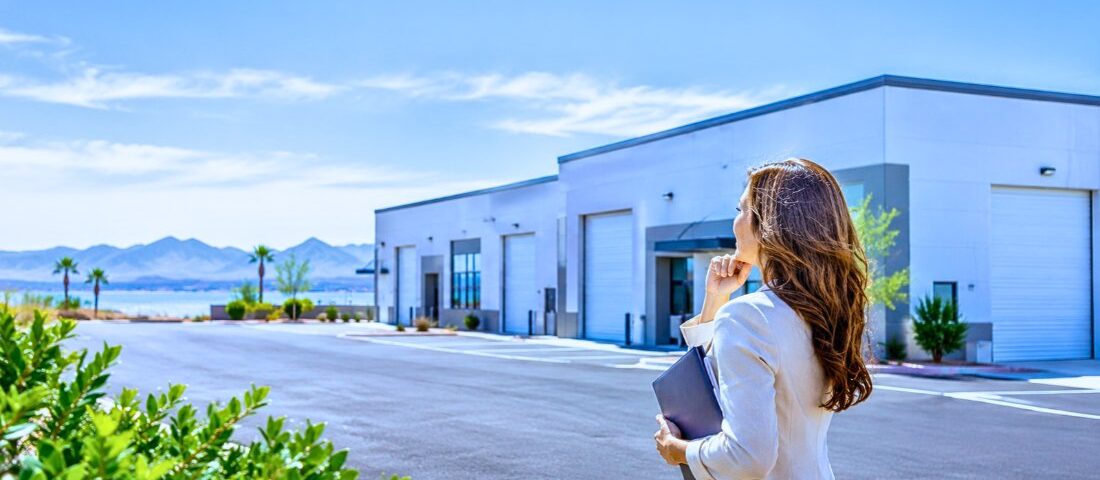
Long-term industrial tenants in Lake Havasu City often treat their lease as settled business. After 15 years in the same space, the arrangement feels stable. But the owner-user build-vs-lease decision looks different once you run the numbers. Industrial land with utilities already in place is genuinely scarce here, and that scarcity changes everything about what a build-out actually costs.
Building your own industrial facility in Lake Havasu City can pencil for long-term owner-users. However, the decision turns almost entirely on one variable: what the seller wants for the land. Construction costs are relatively fixed, but land costs are not. In a constrained market where utility-stubbed industrial acres are disappearing, a seller's pricing attitude often determines whether a deal works.
A Lot Can Change Over 15 Years in the Same Space
After 15 years in the same industrial space, most tenants stop asking whether the arrangement still makes financial sense. The space works, the landlord is reasonable, and switching feels complicated and costly. The reality of switching might seem more reasonable when you look at the numbers.
Construction costs in Lake Havasu City are what they are. Materials, labor, entitlement timelines: those numbers do not move dramatically based on who is building or why.
What determines whether an owner-user build pencils is land cost. In a market where finding a clean industrial acre with utilities in place is genuinely difficult, scarcity shapes the negotiation.
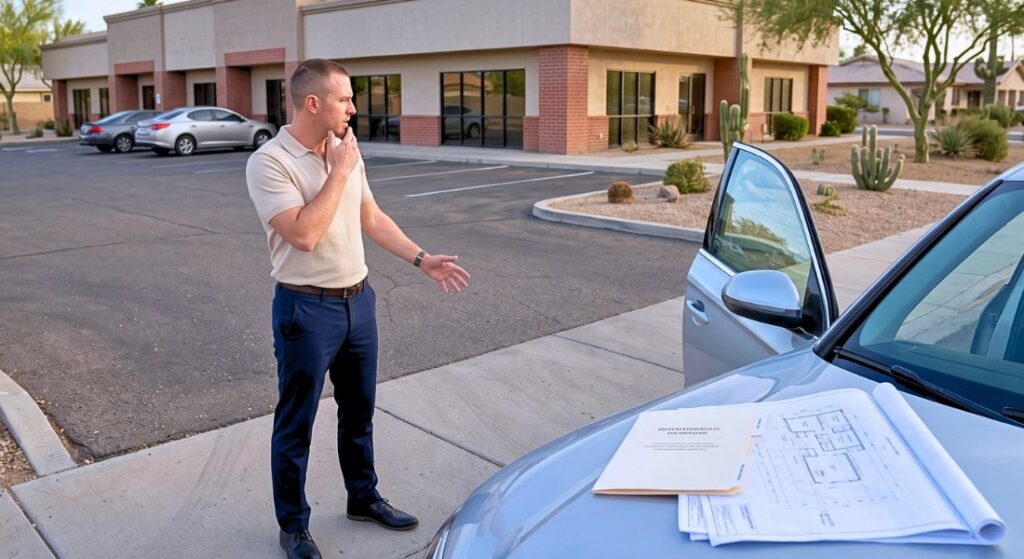
Consider a situation playing out right now in Havasu. There's a water company owner who has leased the same industrial space for 15 years. He is now weighing whether to buy county land with utilities already stubbed in and build his own facility. The math is not complicated, but the cost and availability of land make it difficult.
Industrial Land Scarcity Drives the Owner-User Build Decision
Available industrial land with utilities in place is not abundant in Lake Havasu City. When a parcel comes to market, sellers know exactly what they have. A buyer needs a price that makes the math work, while a seller may believe the utilities justify more. That gap can often decide the deal.
Lake Havasu City's General Plan reflects a buildable land supply effectively capped by BLM territory and state-held parcels on most sides. New industrial acreage is not being created, so what exists trades at prices that reflect that reality.
"The development cost doesn't really change. The cost to build is just that, it's usually the same. It's the land scarcity that is tough. You want to try to find an acre of light industrial with utilities, and there's not that much left. So you have to pay for it. That is what makes it tough." – Randy Shuffler, Founder and Commercial Real Estate Agent, Lake Havasu City Commercial at Realty ONE Group Mountain Desert
Owner-users across Havasu's industrial and flex corridors have been riding stable lease arrangements while available development land has gotten tighter. That tightening affects both sides of the calculation at the same time.
How Utility Costs Factor Into the Build-vs-Lease Math
For most industrial tenants, utility expenses are background noise. They pay an electric bill that has climbed steadily and move on. For a water company operating inside city limits, utilities are the main event.
City water and electric costs keep rising, and that overhead is relevant. Moving to a county parcel changes that equation, but not automatically. The business will need electricity no matter where you operate. They'll need to confirm who provides power on a county parcel, and at what rate, before the pro forma gets too far along. For a business that runs on water, a reduction in city water overhead can justify the capital outlay of building.
The U.S. Energy Information Administration tracks industrial electricity rates by state, and Arizona's commercial rates have risen over the past five years. That trend line matters when projecting 20-year ownership costs. A tenant who has leased for 15 years and never stress-tested the own-versus-lease math may be sitting on a better option than inertia suggests.
What the Seller's Pricing Attitude Decides
The read on the water company looking to move from leasing to owning is straightforward. The project works if the land seller prices the dirt like land, not like a solved infrastructure problem.
"It's going to depend on what that guy wants to sell the land for. If he's wanting too much money because he knows he has water and utilities there, will it help him? Yes, for sure. But if the buyer could get the land for a reasonable price, it would totally pencil for him." – Randy Shuffler, Founder and Commercial Real Estate Agent, Lake Havasu City Commercial at Realty ONE Group Mountain Desert
The seller's attitude toward what utilities are worth is often the swing variable that no amount of construction planning can fix in advance. I've seen scarcity create seller overconfidence in some situations. I've also seen motivated sellers price a parcel right, which lets a long-time tenant finally lock in a facility of his own.
This is not a Havasu-only situation. Mohave County transactions tracked through the Arizona Department of Revenue's Property Tax Division reflect pricing trends that account for both scarcity premiums and infrastructure value.
What a Long-Term Tenant Should Review Before Renewing
If you've leased commercial space for five or more years, put the build-vs-lease comparison on paper before your next renewal cycle starts.
Making a useful comparison requires:
- A realistic read on what industrial land in Lake Havasu is actually selling for.
- Running the cost per square foot of construction for your use type.
- The true monthly occupancy cost once you factor in rising utilities.
- Assessing what you might give up by moving or staying put.
Renewal options that lock in below-market rent are worth protecting. Leases with vague market-rent reset language deserve scrutiny before you sign another term. If you have spent real money on tenant improvements, the remaining lease timeline matters more than most tenants realize.
Three things deserve close attention before you decide on a renewal:
- Whether your renewal option locks in rent or resets to market rate.
- How your tenant improvement investment affects your timeline obligations.
- Whether market-rent reset language in your current lease exposes you to significant increases even when the option feels protective.
The water company owner has not run the final numbers yet. The answer depends on a conversation with a landowner who may or may not price the dirt correctly. But the fact that the question is on the table after 15 years in the same space is exactly the right instinct.
For related insights, read my post comparing leasing vs buying in Lake Havasu City. It looks at how long-term tenants consistently underestimate the cumulative cost of staying put.
FAQs About Owner-User Build-vs-Lease Math in Lake Havasu
How do I know if the owner-user build-versus-lease decision makes financial sense?
Start with three numbers. First, find what industrial land in your target area is actually selling for. Second, learn the construction cost per square foot for your building type. Third, calculate your true monthly occupancy cost, including utilities. If the combined cost of land and construction produces a monthly ownership payment below your true occupancy cost, building deserves serious consideration. Long-term tenants who run this comparison for the first time are often surprised by the result.
Why does industrial land scarcity matter so much in Lake Havasu City?
Available industrial land with utilities already in place is limited in Lake Havasu City. BLM territory and state-held parcels cap the buildable supply on most sides of the city. When a parcel comes to market, sellers understand what they have and price accordingly. That seller confidence can push land costs above the threshold where a build-out pencils for a typical owner-user. I provide a closer look at the supply dynamics in a recent post about how Lake Havasu City is effectively landlocked.
Does moving to a county parcel actually reduce overhead for a utility-heavy business?
It can, but the savings are not automatic. Moving to county land typically removes city water costs from the operating structure, which matters significantly for businesses that use water as a core input. Electric costs follow you regardless of where you build. It is essential to confirm the power provider and applicable rates for any county parcel before getting too far in the process.
What are the biggest risks in a ground-up owner-user build in this market?
The two most common risks are land mispricing and entitlement timeline surprises. Paying too much for land because of perceived utility value can undermine the entire financial case for building. Entitlement and permitting timelines in Mohave County vary by parcel and use type, and delays add carrying costs that early-stage pro formas tend to underestimate. Both risks are manageable with solid local due diligence before committing to a purchase.
When should I run the build-vs-lease math?
Run the comparison whenever a lease renewal is within 12 to 18 months. It also makes sense when a nearby development-ready parcel comes to market, or when utility costs have increased substantially since your last renewal. For tenants who have occupied the same space for five or more years, it's worth running the comparison now.
How do SBA 504 loans work for owner-user commercial construction?
SBA 504 loans are specifically designed for owner-user commercial real estate, covering up to 90% of project costs at fixed rates with long amortization periods. A Certified Development Company (CDC) partners with a conventional lender to fund the project in two tranches. The owner-user typically brings 10% as a down payment, which is considerably lower than conventional construction financing requires. For industrial build-outs in smaller markets, 504 financing often makes the monthly payment comparison against leasing more favorable than buyers initially assume.
How do sellers typically price industrial land with utilities already stubbed in?
Sellers treat stubbed utilities as a premium feature and price land accordingly. From their perspective, they have reduced the buyer's development risk and timeline and expect to capture some of that value in the asking price. Whether that premium is justified depends on the specific parcel and the cost of alternative sites. It also depends on whether the utility savings genuinely offset the higher land basis in the buyer's pro forma. The gap between seller expectations and buyer underwriting requirements is often where owner-user deals stall in Havasu.
Does the build-vs-lease analysis apply outside Lake Havasu City?
The logic applies to any market where industrial land is constrained and lease rates have risen consistently. The specific numbers, including land costs, construction costs per square foot, and utility provider options, are market-specific. In the Havasu and Kingman corridors, limited developable industrial land and rising utility costs make this analysis especially relevant.
The Decision Starts With the Right Numbers
Long-term tenants across Havasu's industrial corridors should run the build-vs-lease math before signing their next renewal. The market has changed enough that the default answer deserves to be tested against real numbers.
Are you thinking about moving on from your leased space to build something your business owns? Send Lake Havasu City Commercial your address and current lease details to get a true-net snapshot showing whether building makes sense for your situation.