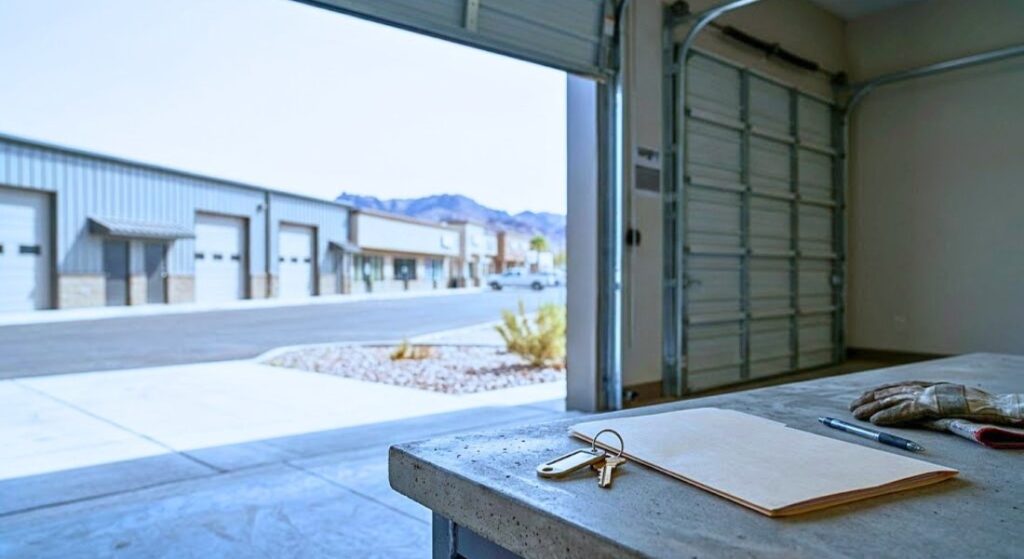
Finished Offices Lease Faster Than Dated Space
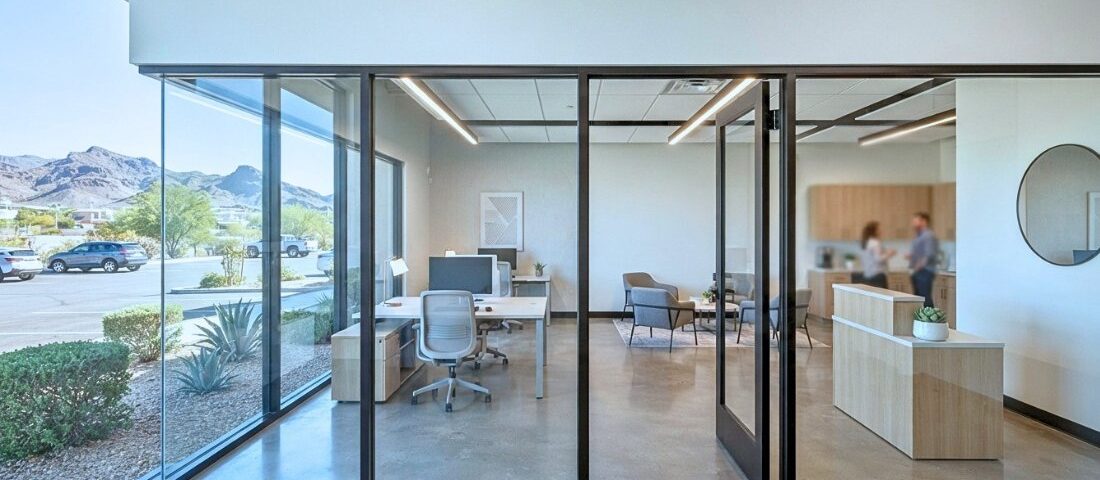
Picture a tenant looking for office space touring three options. The first two they see need work, and the third is ready. This tenant wants to run a business and has no appetite for a construction project, so they take the one that is ready. That leaves the owner of the dated space with a hard conversation. The dated space costs the tenant more time and money, so the owner may have to accept less rent.
Finished offices lease faster than dated space, and the owner of the dated space pays for it in rent. Many offices in Lake Havasu City are older and need updating. Every office investor here has to start with that constraint before any talk of opportunity.
Finished office space in Lake Havasu City typically leases faster than spaces that need work. When the space is ready, tenants have less to worry about before getting to business. Older spaces can still attract tenants, but someone has to pay for the updates. That decision affects leasing, rental income, and what an investor should pay for the property.
The Hidden Cost of Dated Office Space
When a tenant compares a dated space to a finished one, they see two costs: the rent and the work. The finished office asks for the rent and nothing else. Listing a dated office at the same rate as a finished one asks the tenant to pay for the updates as well as full rent.
Tenant improvements, usually shortened to TI, are the build-out and remodeling work that turns a space into one a specific tenant can use. That includes walls, flooring, lighting, restrooms, and any other updates to make the space functional.
If the space is dated, it may not have the finishes, features, or layout your target tenants want. That means you might have to offer rent concessions or assistance with the build-out to close the lease.
If you buy an office as an investment, you inherit its condition. A rent roll shows what the space rented for in the past. It does not show whether the next tenant will pay that rate for a space that needs work.
The question I always ask is who finishes the space and who pays for it. If the answer is that you will wait and see when a tenant shows up, the rent you underwrote is a guess.
The Stalemate Over Who Pays for Improvements
The common factor stalling these deals is the improvements. In my experience, owners and tenants both resist paying for them. Each side expects the other to cover it, and while they argue, the space sits empty.
The owner has a fair argument: they own the building and don't want to sink money into a space for a tenant who may leave. The tenant has a fair one too: why spend on someone else's building?
Both are right, which is why the standoff is difficult to resolve. A lower rent may not be a complete fix, because the tenant still faces the same improvement bill.
"It can jump up from $20 to $80 grand depending on what you're doing. Spread across the floor area, that works out to roughly $10 to $40 per square foot. Many tenants cannot afford those costs." – Randy Shuffler, Founder and Commercial Real Estate Agent, Lake Havasu City Commercial at Realty ONE Group Mountain Desert
I have seen what happens when a tenant underestimates this. I leased a space to a Pilates studio owner who miscalculated the cost of improvements and construction. The tenant ran out of money and never opened.
You have to run the construction cost before you fall for the rent per foot. If the numbers look tight, don't convince yourself that you'll find a way to make it work.
Run the Decision Math Before You List
Before listing a dated office, compare the cost of carrying it empty with the cost of fixing the problem. Carrying empty space means no rent while you keep paying whatever the building costs to hold. Add the chance that the space ends up leasing at a discount anyway, because the finished one down the road keeps winning tenants.
You have three realistic moves:
- Finish It Yourself: You fund the improvements and lease a finished office that competes with the other finished options.
- Meet the Tenant Halfway: I have seen landlords get spaces leased by helping with improvements or giving discounts or a free-rent period.
- Wait It Out: This is the cheapest on paper and often the slowest, and it leaves the improvement bill unsettled.
To compare, divide the improvement range across the lease term you would sign. Do the same with a free-rent period or any rent you give up. Then put those figures next to the rent you expect to collect. If the lease term recovers the work, the improvement is an investment. If the tenant may leave before it pays back, you are guessing.
That brings up the personal guarantee, a promise by the tenant company's owner to cover the lease personally if the business can't. It matters most when a tenant plans large improvements, because it protects the money you are about to put into the space. It may matter less on a low-rent space where you are struggling to find any tenant.
Taxes and accessibility both need a professional's eye. The IRS explains in Publication 946 how business property costs are recovered through depreciation deductions. Have a CPA confirm how a particular improvement is treated before you count a tax benefit.
Accessibility is the other issue to consider. When businesses build or alter buildings, they must follow the ADA Standards for Accessible Design, and the scoping rules reach altered portions of older facilities. I recommend asking an attorney about what applies to your space before you scope the work.
"So, they'll sit, they'll wait and say, 'Hey, we'll wait for somebody that wants to put TI and improve it.' But the people that do well are like somebody comes in, wants it, and they're willing to either put in the TI's, meet them halfway, give them just no rent for a certain period of time, whatever they need to do to get that person in there." – Randy Shuffler, Founder and Commercial Real Estate Agent, Lake Havasu City Commercial at Realty ONE Group Mountain Desert
What to Buy and What to Price In
If you are buying an older office, put the improvement cost and any concession into the price and into your true net income. True net income is what the property actually pays you after the costs of operating and holding it.
Run the purchase as if it were your own money. Estimate the work using realistic numbers for improvements. Add the rent you will give up while the tenant builds out. Subtract that from what you would pay. If the seller won't meet the remaining number, the deal doesn't pencil.
Even if the tenant agrees, you need to consider whether they can afford the work. A tenant who can fund the build-out and carry the rent is stable. One who cannot is a risk, whatever the lease says. Look at the tenant's financials before you look at their plans.
Medical office space makes a useful contrast. Once tenants move into the medical district in Havasu, they are usually there for a really long time. An improvement bill spread over many years is easier to justify than one spread over a short stay. I wrote about medical office investment in Lake Havasu City if you want a closer look at that angle.
Common Questions About Office Tenant Improvements in Lake Havasu City
What are tenant improvements in an office lease?
Tenant improvements, or TI, are the build-out and remodeling work that makes a space usable for a specific tenant. In an office, that can mean walls, flooring, lighting, and restrooms. The main negotiation is over who pays for them: the owner or the tenant.
Why do dated offices take longer to lease?
Many Lake Havasu offices are older and need updating, and owners and tenants both resist paying for the work. If a tenant finds a space that is already done, they are typically more willing to enter a lease. Dated space tends to wait and be subject to tougher negotiations.
Should the landlord or the tenant pay for improvements?
It depends on the deal, and that is the point of the negotiation. I have seen landlords get spaces leased by helping with the work or giving free rent for a set period. Settling the split before you list avoids a long stall.
How do improvements affect taxes?
The IRS explains in Publication 946 how business property costs are recovered through depreciation deductions. How a given improvement is treated depends on the facts, so ask your CPA before you count a tax benefit.
Do ADA rules apply when I remodel an office?
When businesses build or alter buildings, they must follow the ADA Standards for Accessible Design. Those standards also cover altered portions of older facilities. Ask a qualified attorney what applies to your space before you set the scope of work.
Know What the Space Will Really Earn
An office that needs work can still offer an opportunity at the right price. But improvement costs, rent concessions, and vacancy can quickly change the income picture. Investors who account for those expenses get a clearer picture of what they're actually buying.
I help commercial property owners and investors look at income, expenses, and realistic leasing costs. If you're considering an older office, reach out before you make an offer. I'll help you build a true net estimate that accounts for the work needed to attract tenants.